
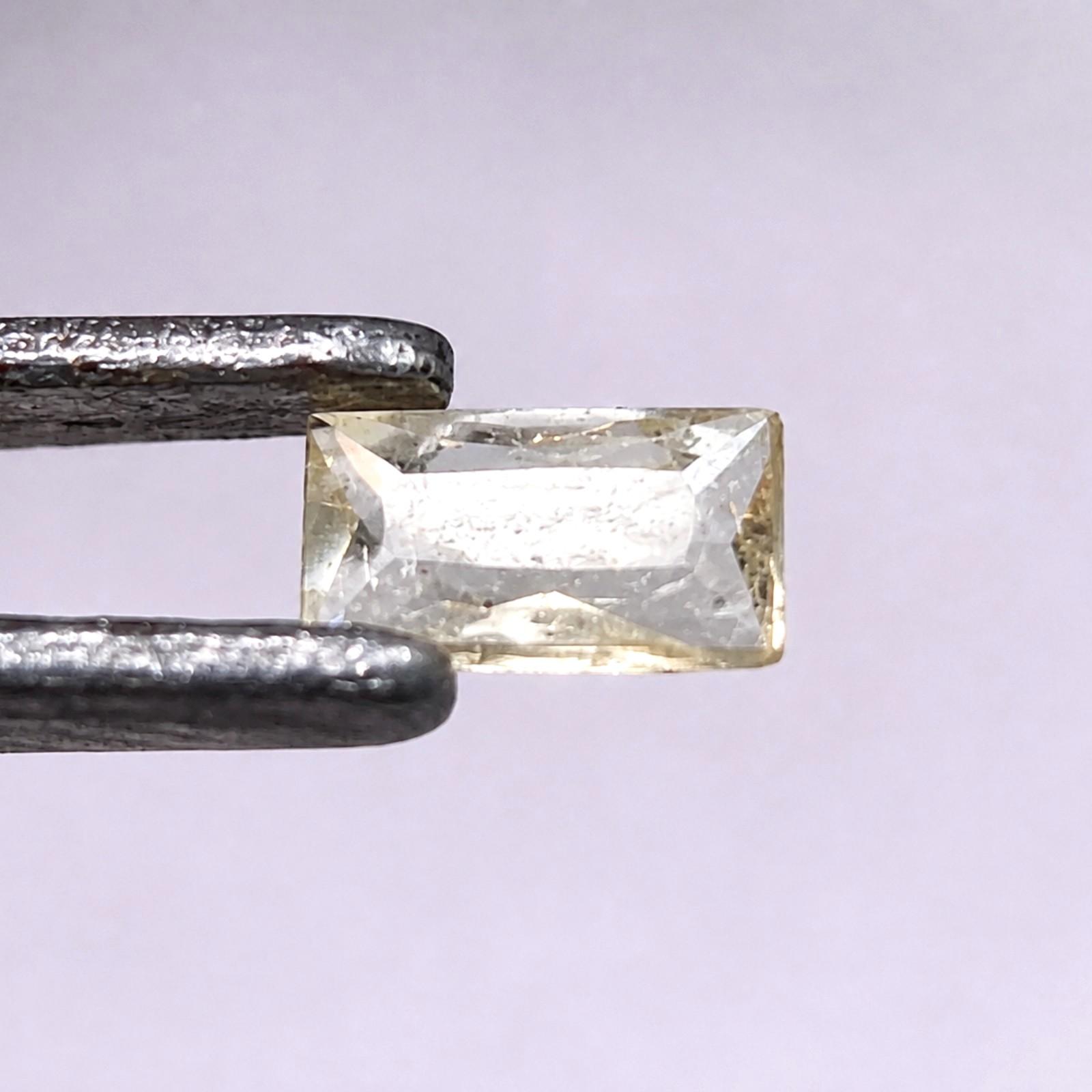
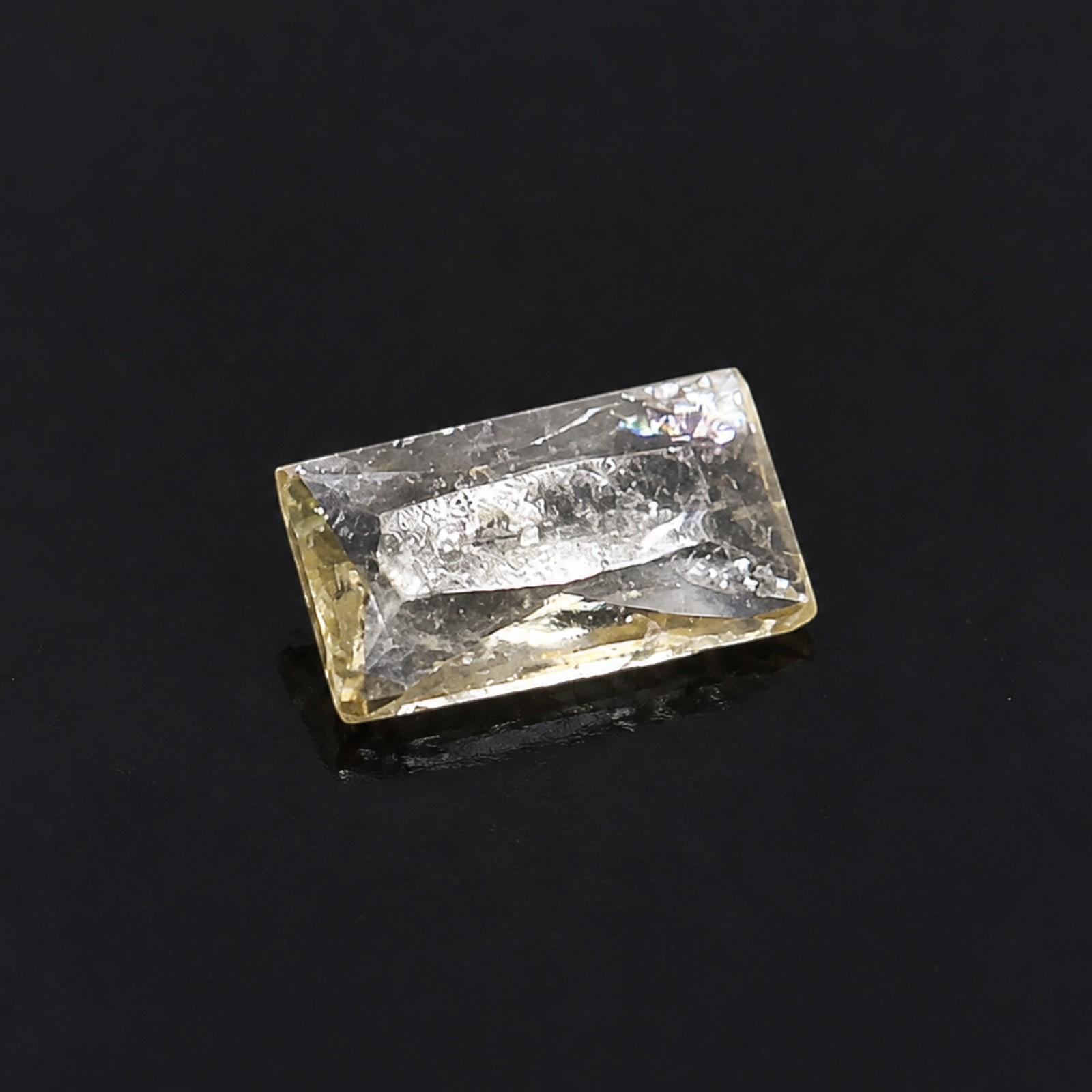
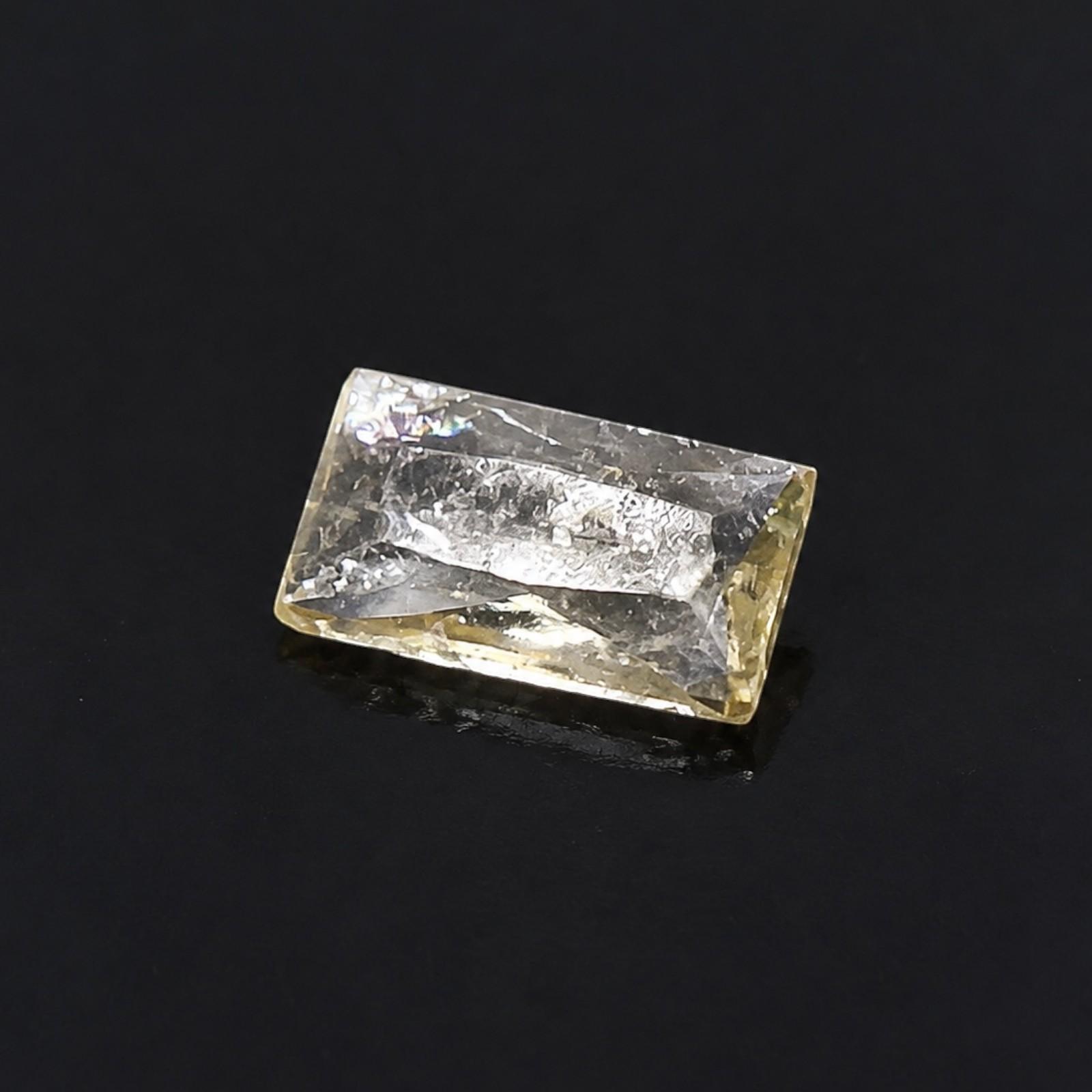
0.09 ct VLASOVITE – CANADA
EXPERT VERIFIED
- Expert Verified Gemstone
- Fast Handling & Shipping
- Secure Vault Packaging
$ 90
Offer amount Feild


Smart Collector Choice


Pay with Crypto & Get 10% Automatic Discount

Availability: 1 in stock
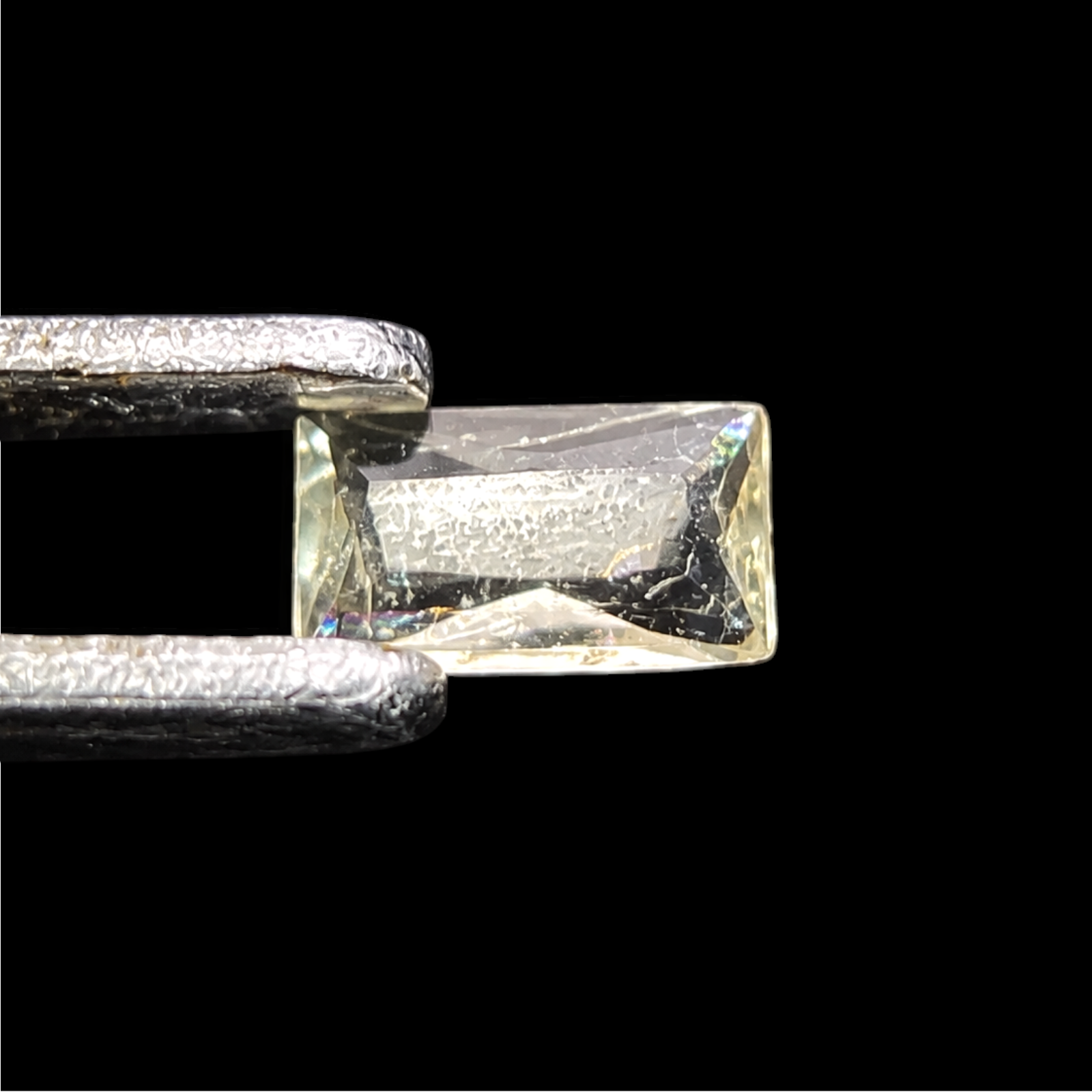
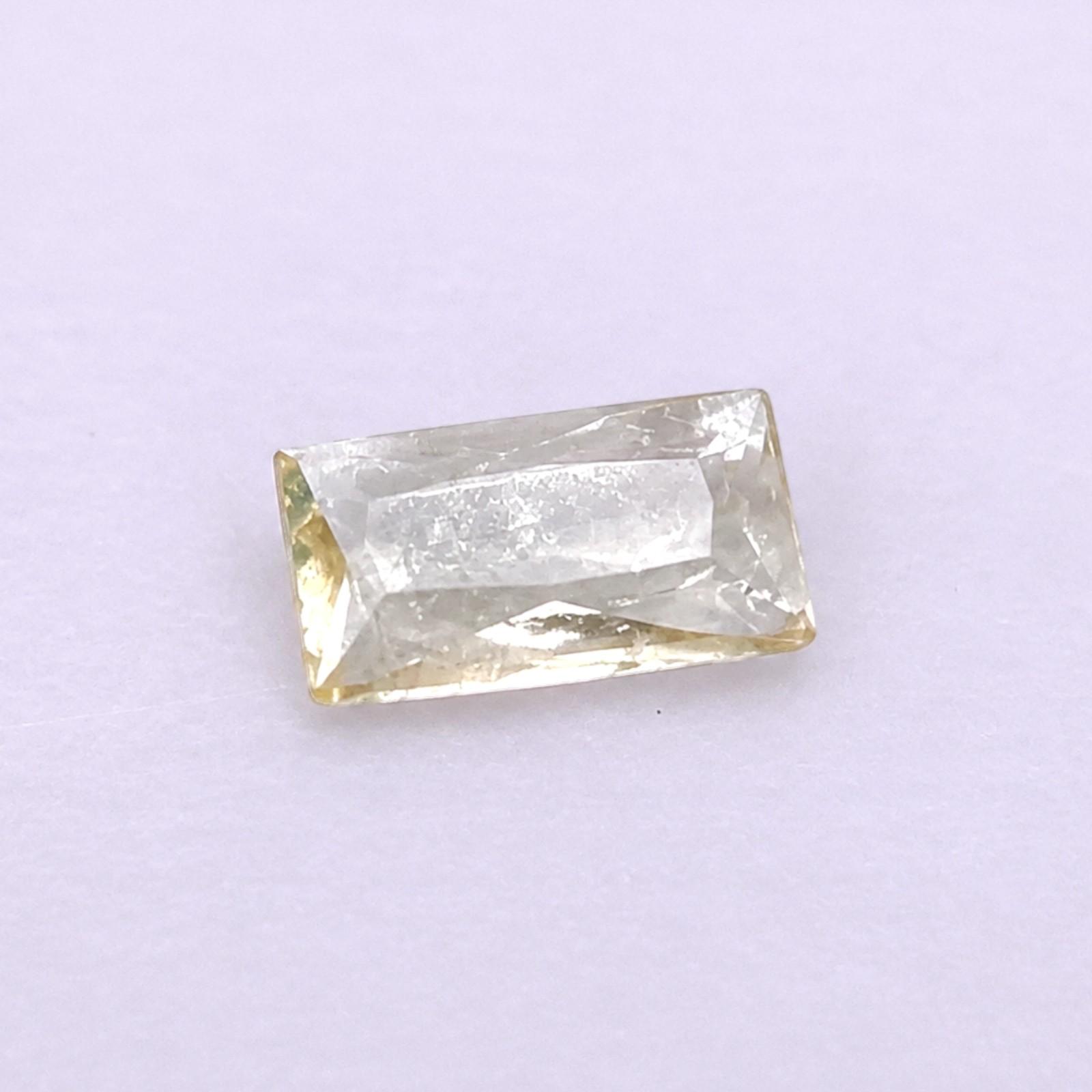
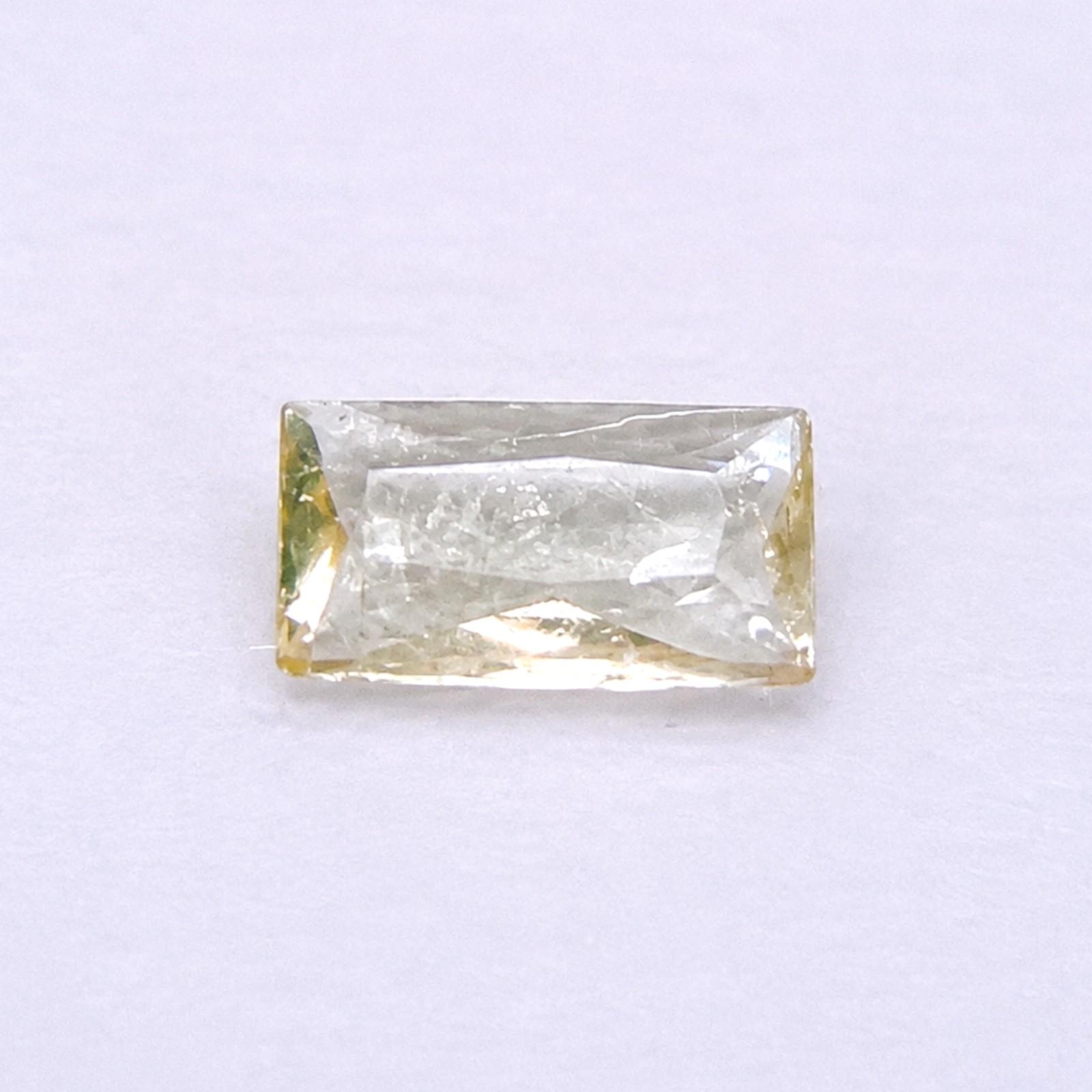
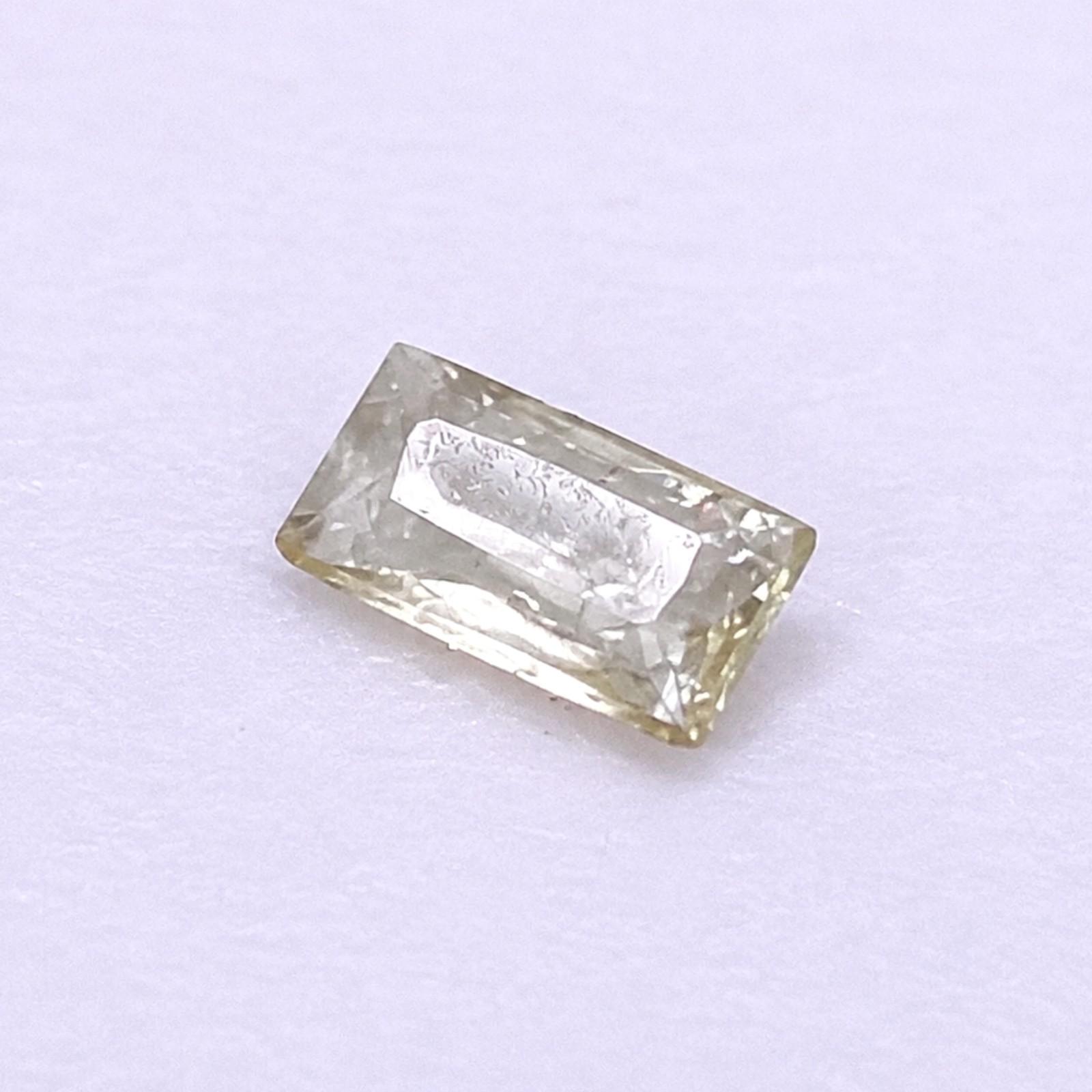


- Freakingcats Gemstone Database
Vlasovite (Canada)
Vlasovite from the hyper-agpaitic alkaline pegmatites of Canada—most famously the legendary Kipawa Complex in Quebec—represents an exceptionally rare, structurally sophisticated zirconium silicate. A complex sodium zirconium cyclosilicate, it is a mineral I have always respected for its “ice-water” transparency, subtle “champagne-amber” to “soft-straw” tonal elegance, and its status as a masterpiece of “monoclinic” structural discipline. For the specialist, a fine Canadian Vlasovite—whether presenting as sharp, lustrous prismatic crystals or clean, gemmy cleavage masses embedded within eudialyte-gipshite matrix—is a prized trophy of extreme alkali- and zirconium-saturated magmatic differentiation; it offers a bright vitreous to adamantine surface luster, strong short-wave UV fluorescence, and an authoritative presence that makes it a crowning asset for the systematic vault.
The Heritage & Discovery
Historical Significance Vlasovite is an indispensable index species for decoding the extreme geochemical environments where silica saturation and high alkali activities converge with high concentrations of zirconium during the final cooling stages of peralkaline complexes. Historically, the species was first discovered in 1961 in the Lovozero massif of Russia and named in honor of the distinguished Russian mineralogist and geochemist Kuzma Alekseyevich Vlasov. However, the subsequent discovery of world-class, macrocrystalline Vlasovite within the Kipawa Syenite Complex in Quebec, Canada, completely redefined the global standards for the species, providing systematic collectors and researchers with the largest, clearest, and most crystallographically pristine specimens ever documented.
Discovery The unearthing of gem-grade, transparent Vlasovite crystals at the Kipawa Complex provided mineralogists with unprecedented structural insight into zirconium silicates. Scientifically, Vlasovite crystallizes in the monoclinic system, featuring a rare silicate framework constructed of open, four-membered tetrahedral chains cross-linked by zirconium-oxygen octahedra. Under short-wave ultraviolet light (254 nm), Canadian Vlasovite exhibits a spectacular, diagnostic response, fluorescing a vivid, electric golden-yellow to cream-orange driven by structural activators within the silicate channels. My own respect for this material grew from analyzing its structural rarity; observing a water-clear, adamantine-lustrous Vlasovite crystal nestled against crimson eudialyte and black amphibole creates a stark, high-contrast visual pairing that is unmistakable to the trained eye.
Important Mines The undisputed international capital for collector-grade expressions of this species within Canada is the historic Kipawa Syenite Complex (Sheffield Township, Témiscamingue RCM) in Quebec. This world-famous peralkaline intrusion is internationally celebrated for yielding coarse, well-formed Vlasovite crystals and large, gemmy crystalline masses within late-stage agpaitic pegmatite pods. For the vault, I prioritize specimens that exhibit sharp, unblemished crystal boundaries or high-clarity cleavage masses, verified structural purity, strong UV fluorescence, and a clean, high-contrast matrix association with companion species like eudialyte, agrellite, and mosandrite.
Mineralogical Profile
Description Vlasovite is a sodium zirconium cyclosilicate mineral that crystallizes in the monoclinic system. It sits at a robust 6 on the Mohs scale, meaning its highly lustrous faces possess good structural resistance, though its perfect pinacoidal cleavage requires careful archival handling to protect its crisp crystal edges and cleavage planes from physical shock. It is characterized by its exceptionally bright vitreous to sub-adamantine surface luster and an understated, highly refined color palette dominated by water-clear, pale ice-yellow, light champagne, brownish-amber, and soft cream-white.
One of its most identifying traits is its stout prismatic or tabular habit, routinely forming distinct crystals or coarse crystalline aggregates that line cavities in peralkaline host rocks. It possesses a moderate to high refractive index running from approximately 1.607 to 1.628, giving it a bright, lively visual transmission, and an average specific gravity ranging between 2.97 and 3.02. Because it precipitates exclusively in highly evolved, silica-saturated peralkaline pegmatites and syenites, it is commonly found in close association with Eudialyte, Agrellite, Miserite, Mosandrite-(Ce), Fluorite, Microcline, Aegirine, and Quartz. When selecting an example for documentation, I look for sharp optical transparency, clean crystal geometry, and intense golden-yellow short-wave fluorescence to showcase the full structural brilliance of this rare zirconium species.
Chemical Formula Na2ZrSi4O11


