
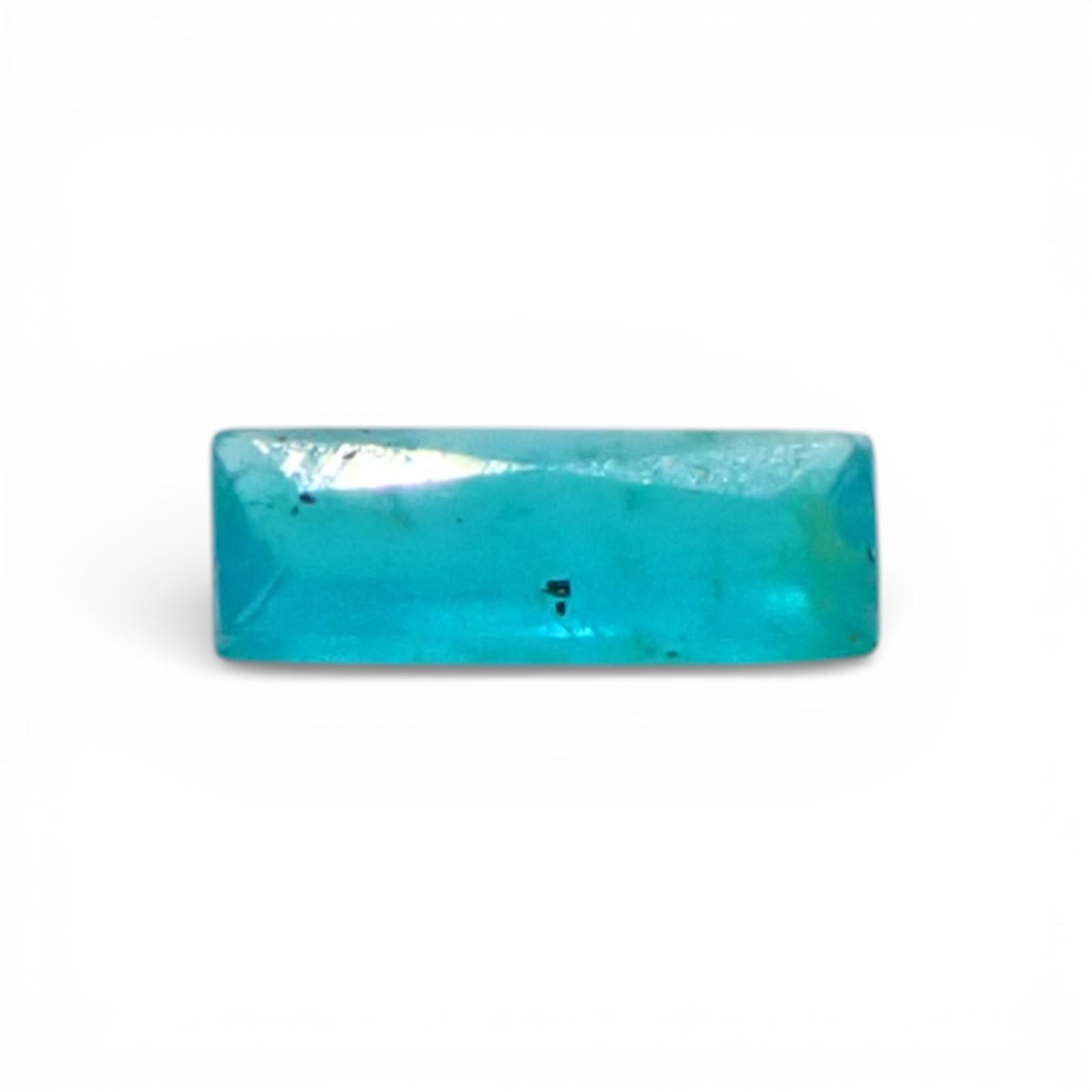
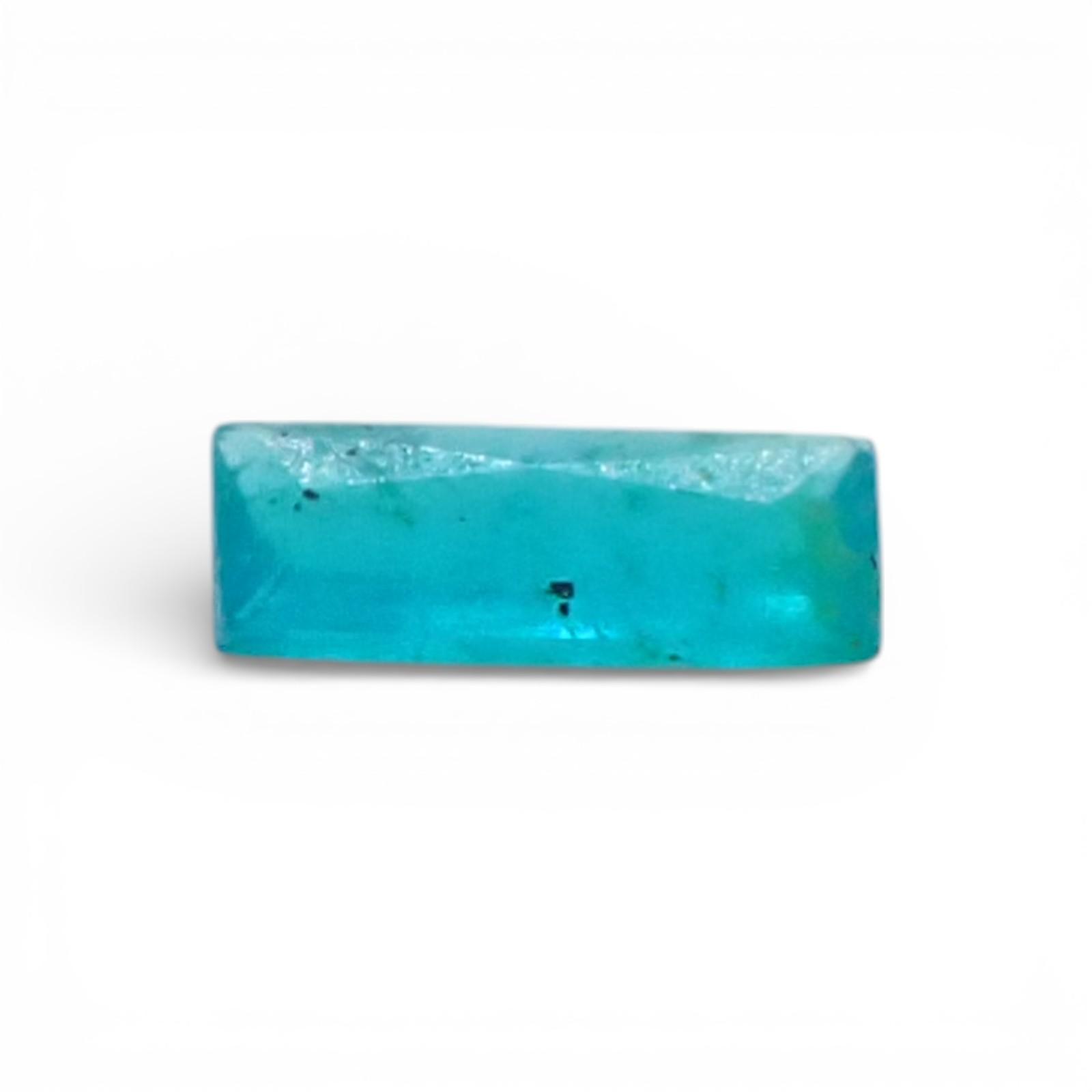
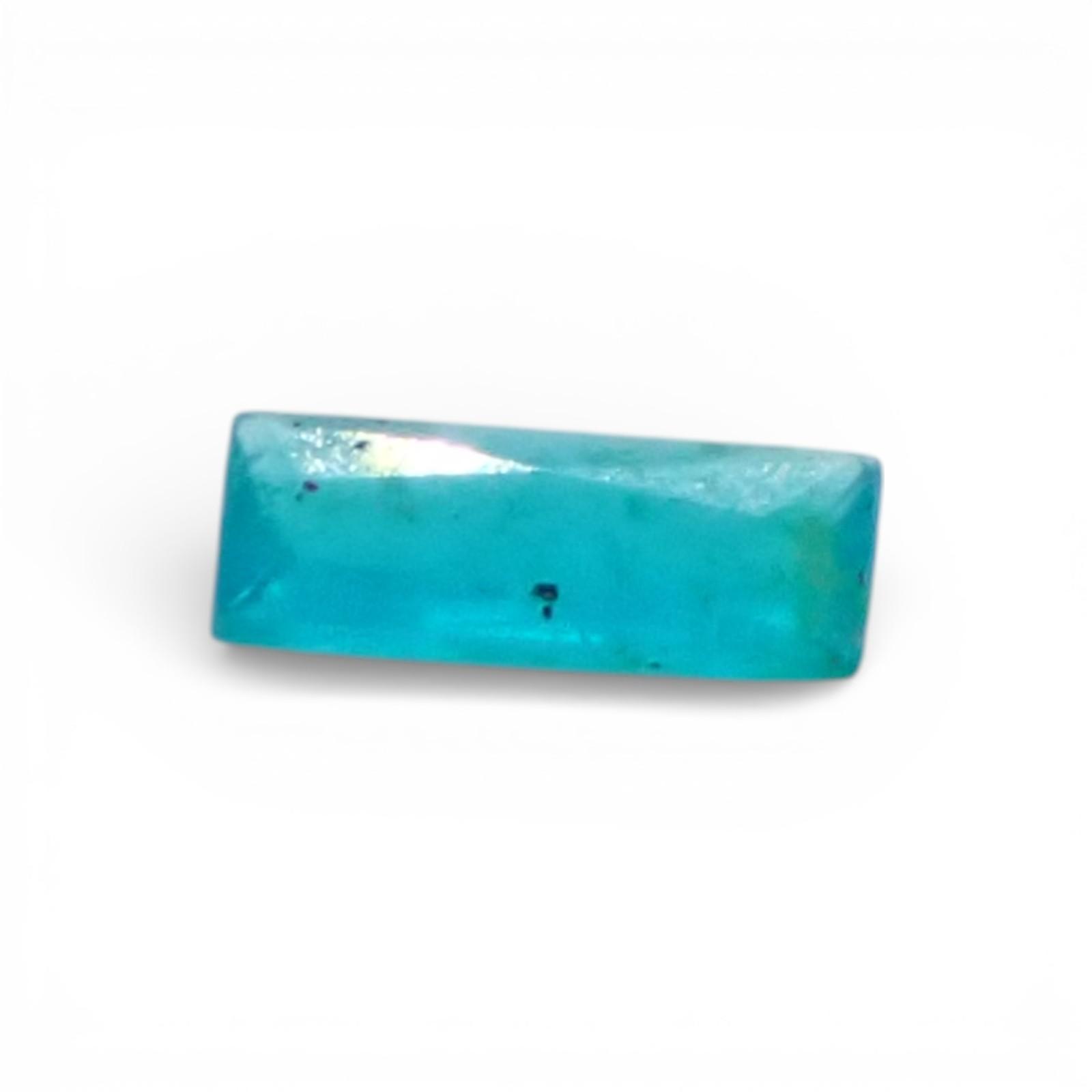
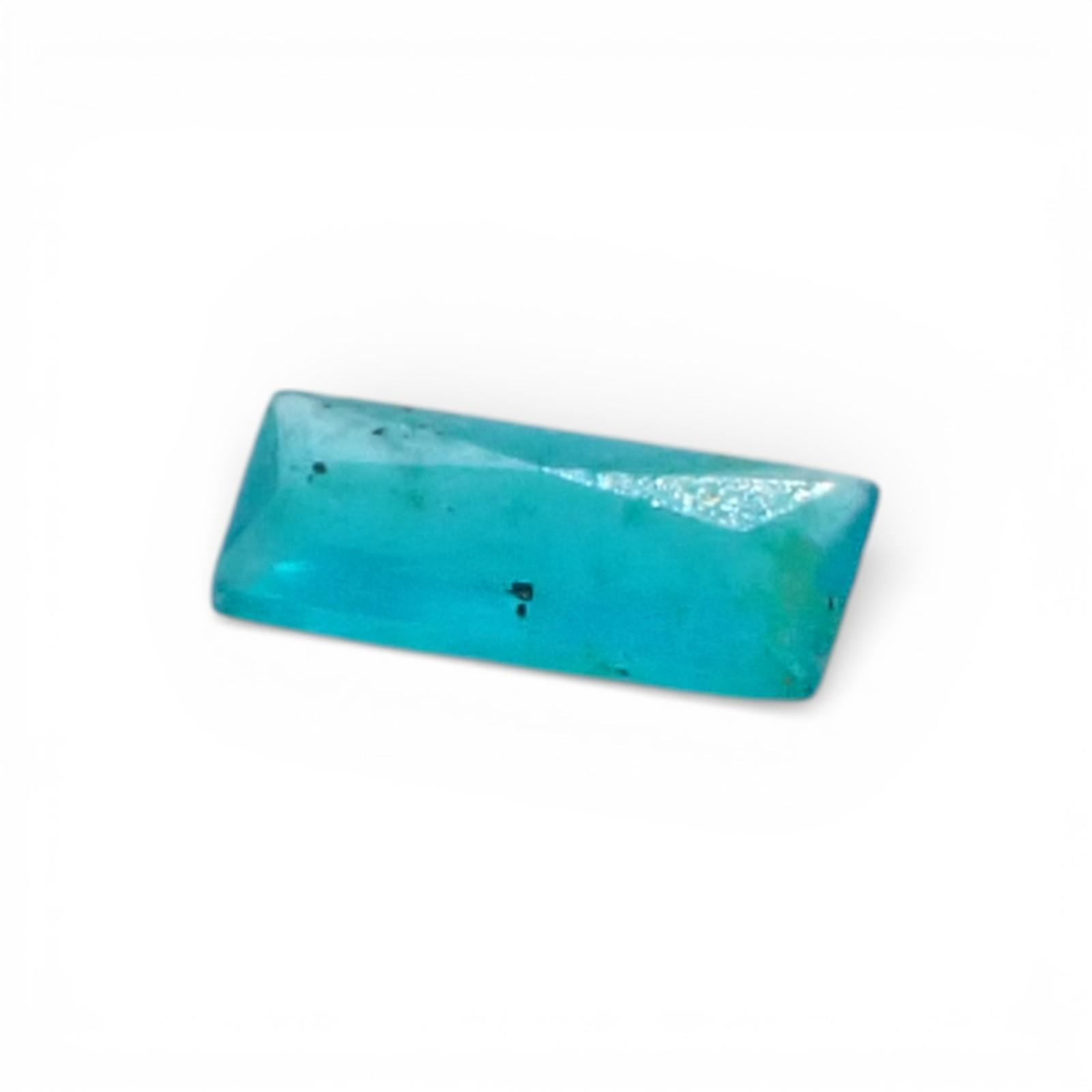
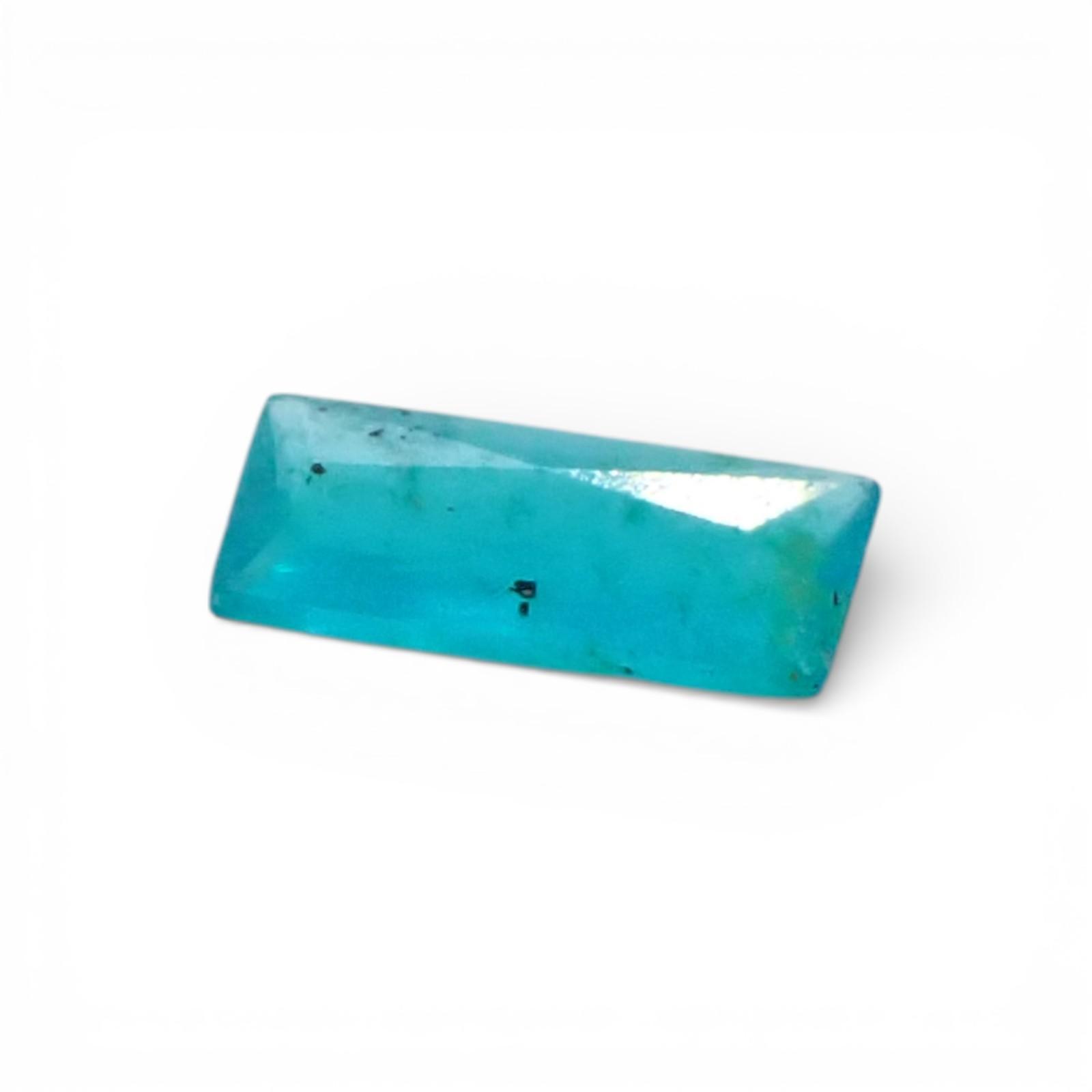
0.48 ct KRÖHNKITE – CHILE
EXPERT VERIFIED
- Expert Verified Gemstone
- Fast Handling & Shipping
- Secure Vault Packaging
$ 450
Offer amount Feild


Smart Collector Choice


Pay with Crypto & Get 10% Automatic Discount

Availability: 1 in stock


- Freakingcats Gemstone Database
Kröhnkite
Kröhnkite represents the “azure crystalline” rarity of the sulfate world. A hydrated sodium copper sulfate, it is a species I have always respected for its stunning, “neon-blue” color—a shade so vibrant it rivals the finest Persian Turquoise or Copper-bearing Tourmaline. It typically presents as monoclinic, prismatic crystals or as dense, “fibrous” crusts with a vitreous to pearly luster. For the specialist, Kröhnkite is a prize of geochemical concentration; it forms as a rare secondary mineral in the oxidation zones of copper deposits, specifically in hyper-arid environments where its water-soluble nature can be preserved. It is a stone of “vivid conductivity,” providing a sophisticated, “electric” aesthetic that makes it a true “blue-ribbon” specimen for the systematic vault.
The Heritage & Discovery
Historical Significance: Kröhnkite is a vital species for understanding the mineralogy of the Atacama Desert, one of the driest places on Earth. Historically, it was a significant discovery that highlighted how copper sulfates can stabilize in environments where rainfall is almost non-existent. In the world of fine minerals, it is celebrated for its extraordinary saturation; while many sulfates are pale or “dusty,” Kröhnkite maintains a “liquid” depth of blue. It stands as a symbol of endurance in extreme climates, bridging the gap between common copper ores and the elite world of “water-sensitive” collector rarities. It serves as a reminder that the most “fragile” minerals in nature often possess the most intense and unapologetic colors.
Discovery: The mineral was formally named in 1876 in honor of Bartholomäus Kröhnke, a German chemist and consul in Chile who first analyzed the material. Scientifically, it is a sodium copper sulfate. Its discovery at the Chuquicamata Mine provided mineralogists with the first clear look at this specific sodium-copper arrangement, which is only preserved in the absence of liquid water. My own respect for this material is rooted in its rare chemistry; because it is highly soluble, finding sharp, undamaged crystals is a testament to the perfect “stasis” of the desert environment from which they were recovered.
Important Mines: The undisputed world capital for the finest, most aesthetic Kröhnkite crystals is the Chuquicamata Mine in Calama, Antofagasta, Chile. This legendary copper porphyry deposit has produced the world’s best specimens, often found in association with other rare sulfates. I also have a high regard for the smaller, “electric” occurrences in Tarapacá, Chile. For the vault, I prioritize the Chuquicamata material for its unmatched crystal size and its characteristic “azure-blue” purity.
Mineralogical Profile
Description: Kröhnkite is a hydrated sodium copper sulfate that crystallizes in the monoclinic system. It sits at a 2.5 to 3 on the Mohs scale, making it a very soft and delicate mineral. Because it is water-soluble, it must be kept in a climate-controlled environment to prevent hydration or dissolution. It is characterized by its vitreous luster and its unmistakable “neon-azure” color.
One of its most identifying traits is its perfect cleavage ({010}) and its specific gravity ($SG \approx 2.9$), which gives it a “solid” feel for a sulfate. It has a moderate refractive index ($n \approx 1.54$ to 1.60) and exhibits a characteristic transparent to translucent diaphaneity. Because it is a secondary copper mineral, it is often found in association with Atacamite, Bloedite, and Natrochalcite. When I select a piece for the collection, I look for “razor-sharp” prismatic edges and a “liquid-clear” blue interior, as these highlight the sophisticated, three-dimensional geometry of the mineral’s growth. It is a light, high-vibration mineral that offers a unique, “electric” beauty unlike any other sulfate species.
Chemical Formula: Na2Cu(SO4)2·2H2O


