
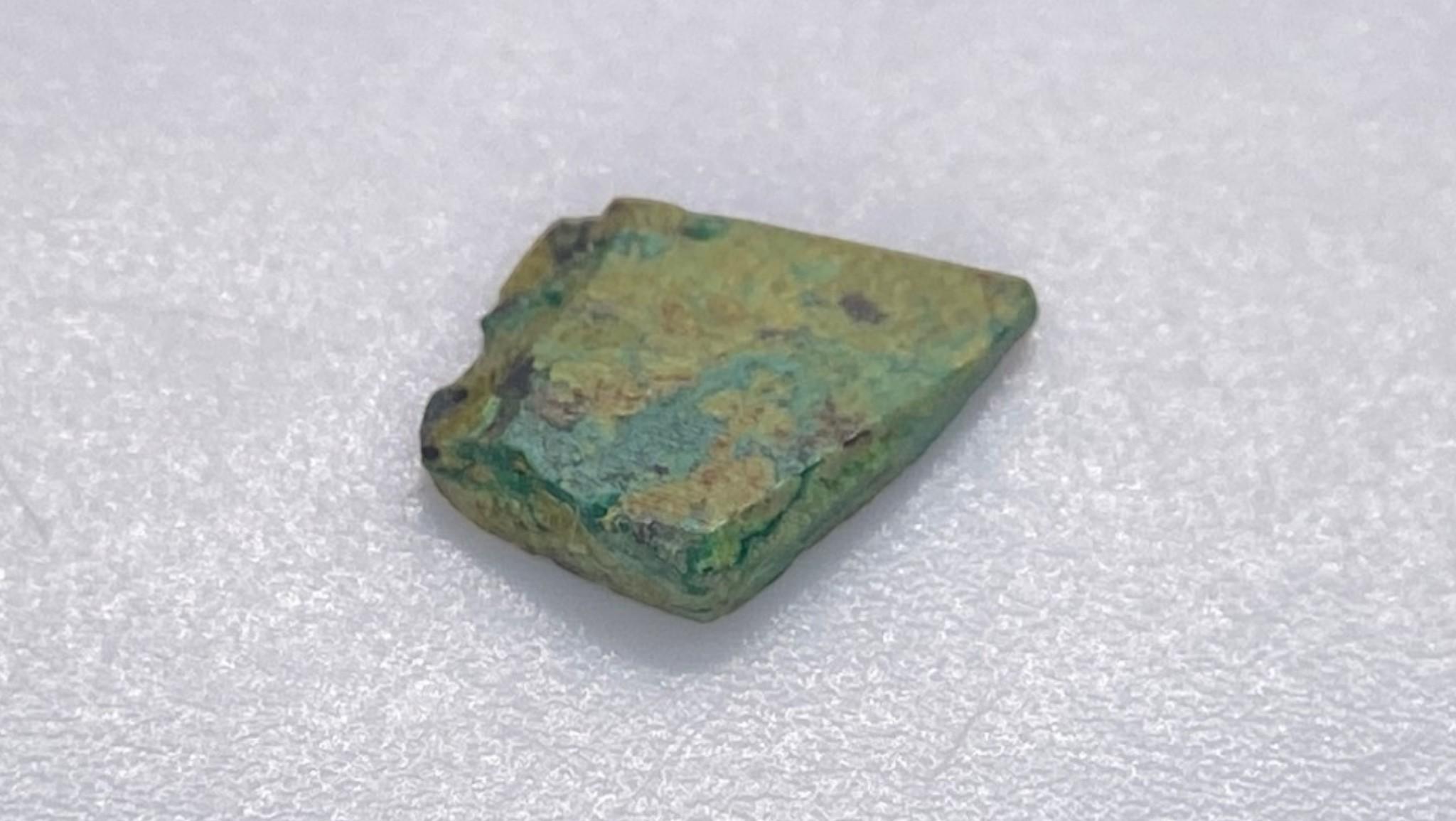
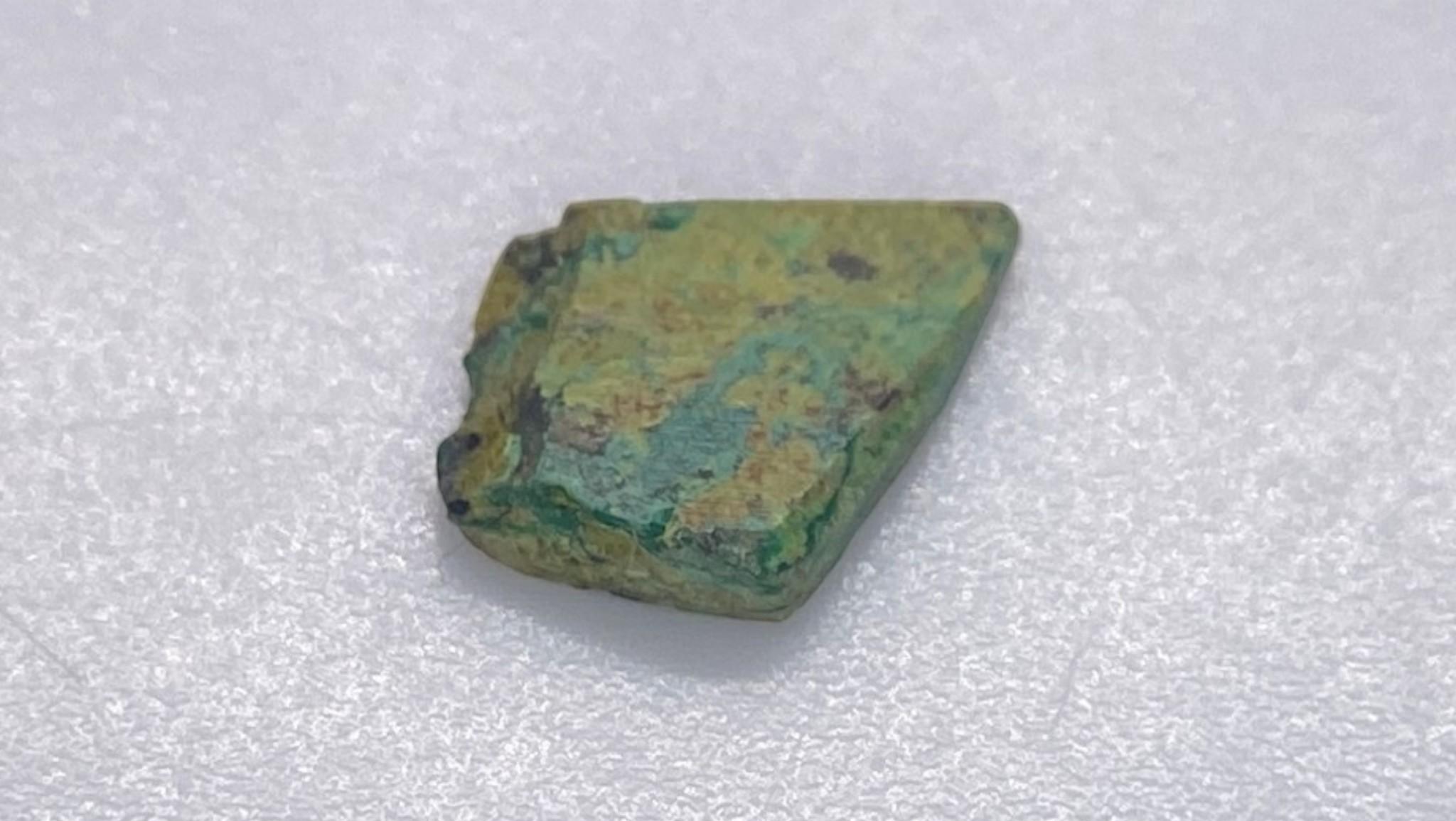
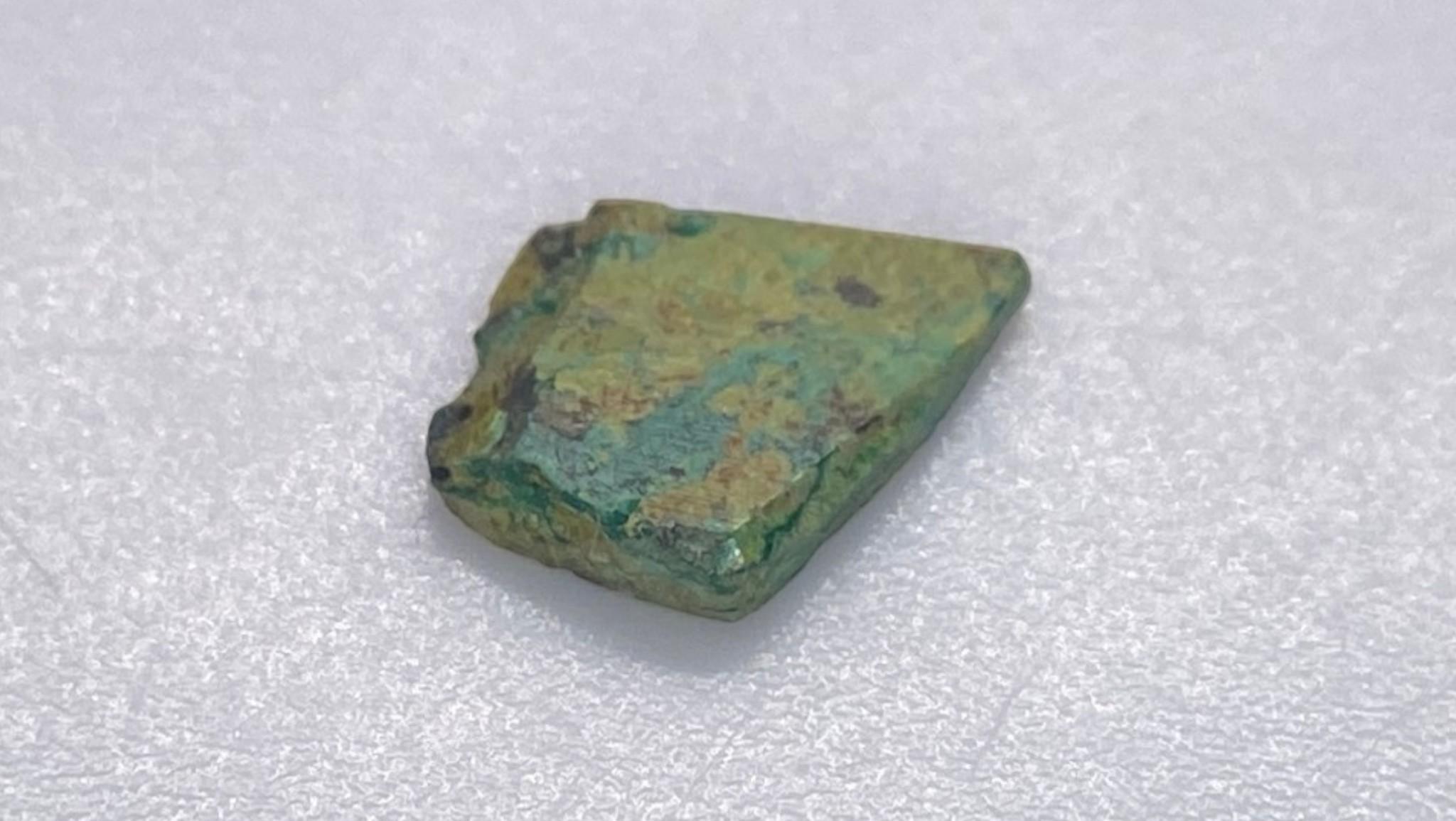
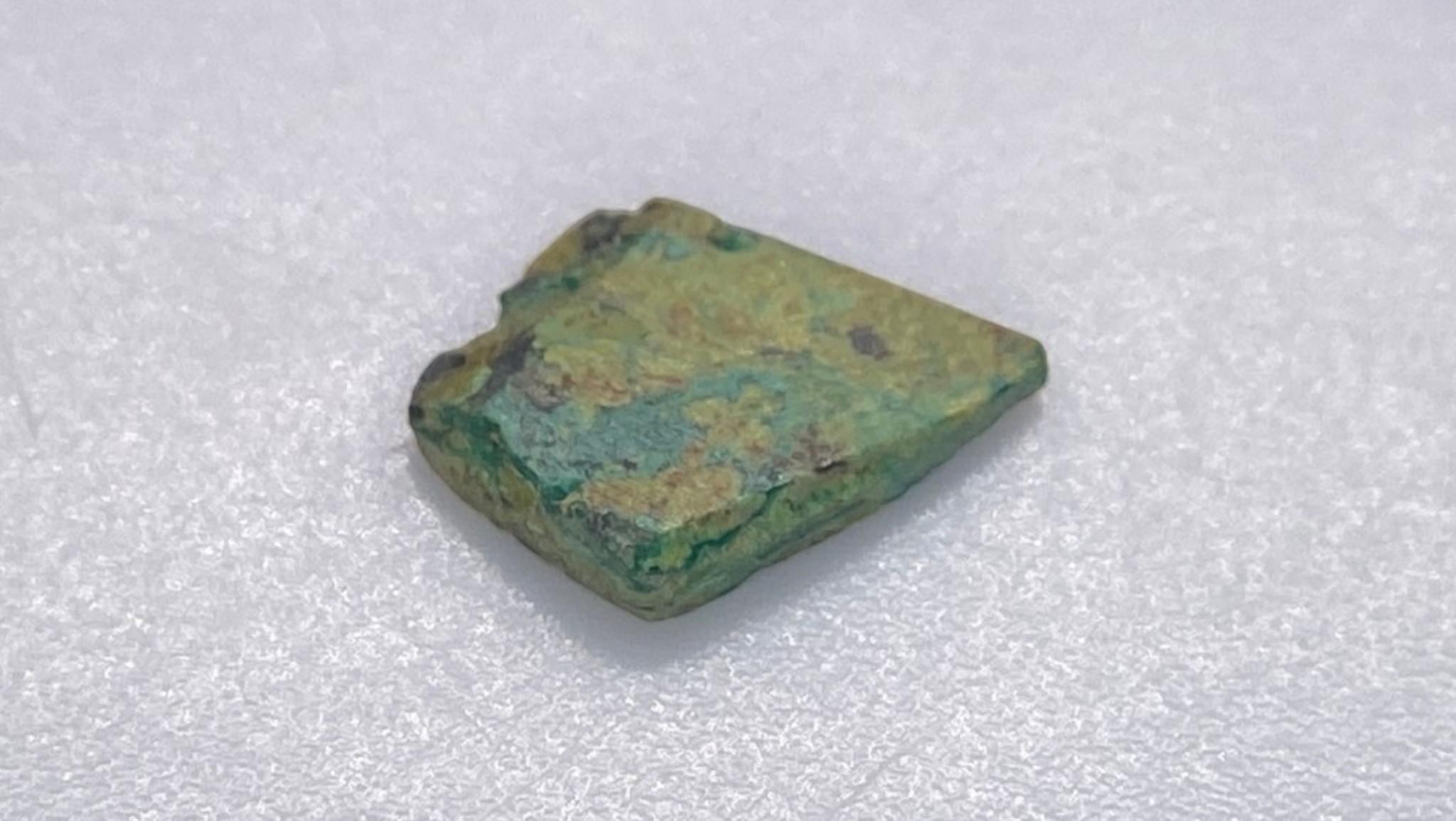
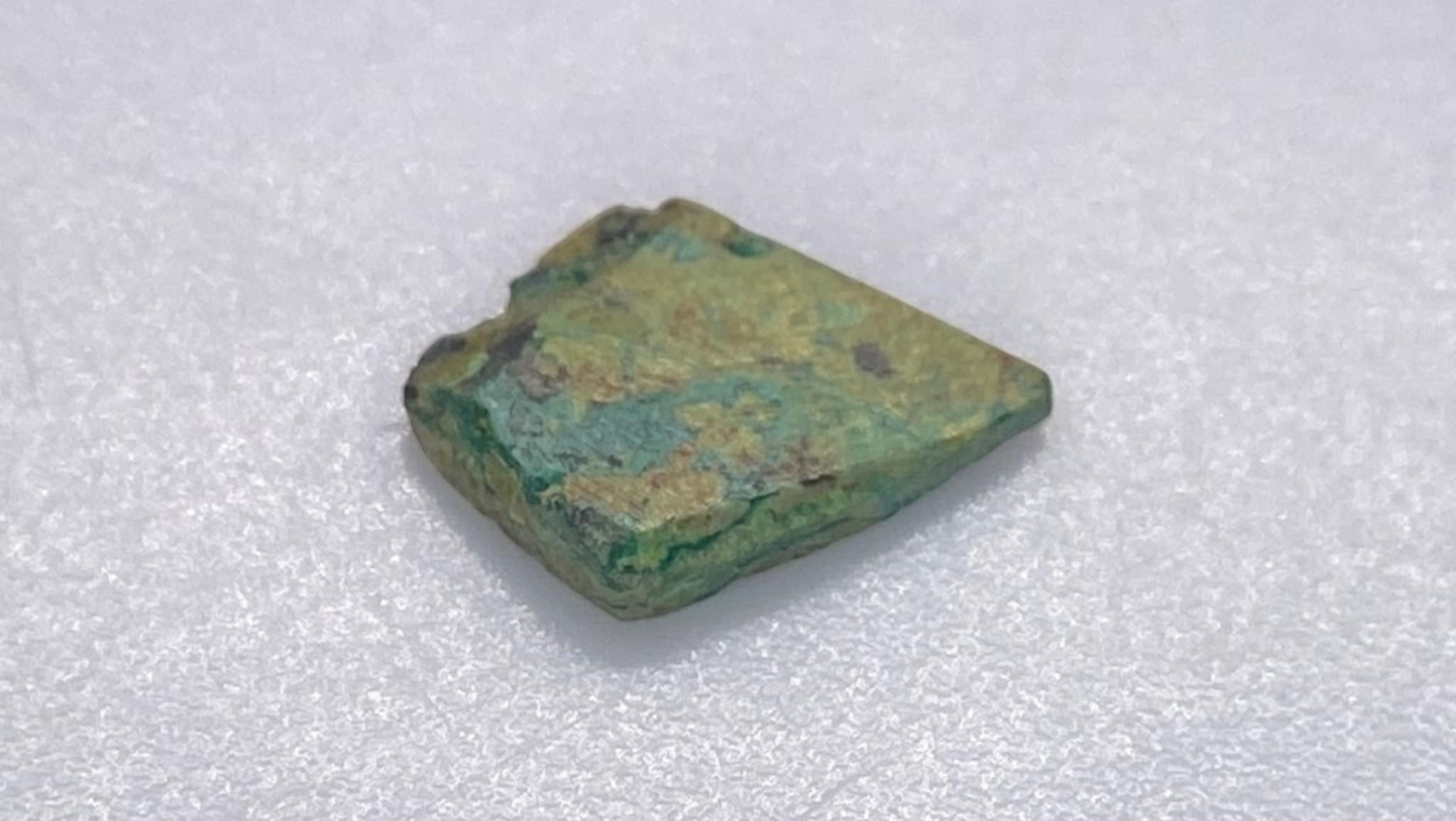
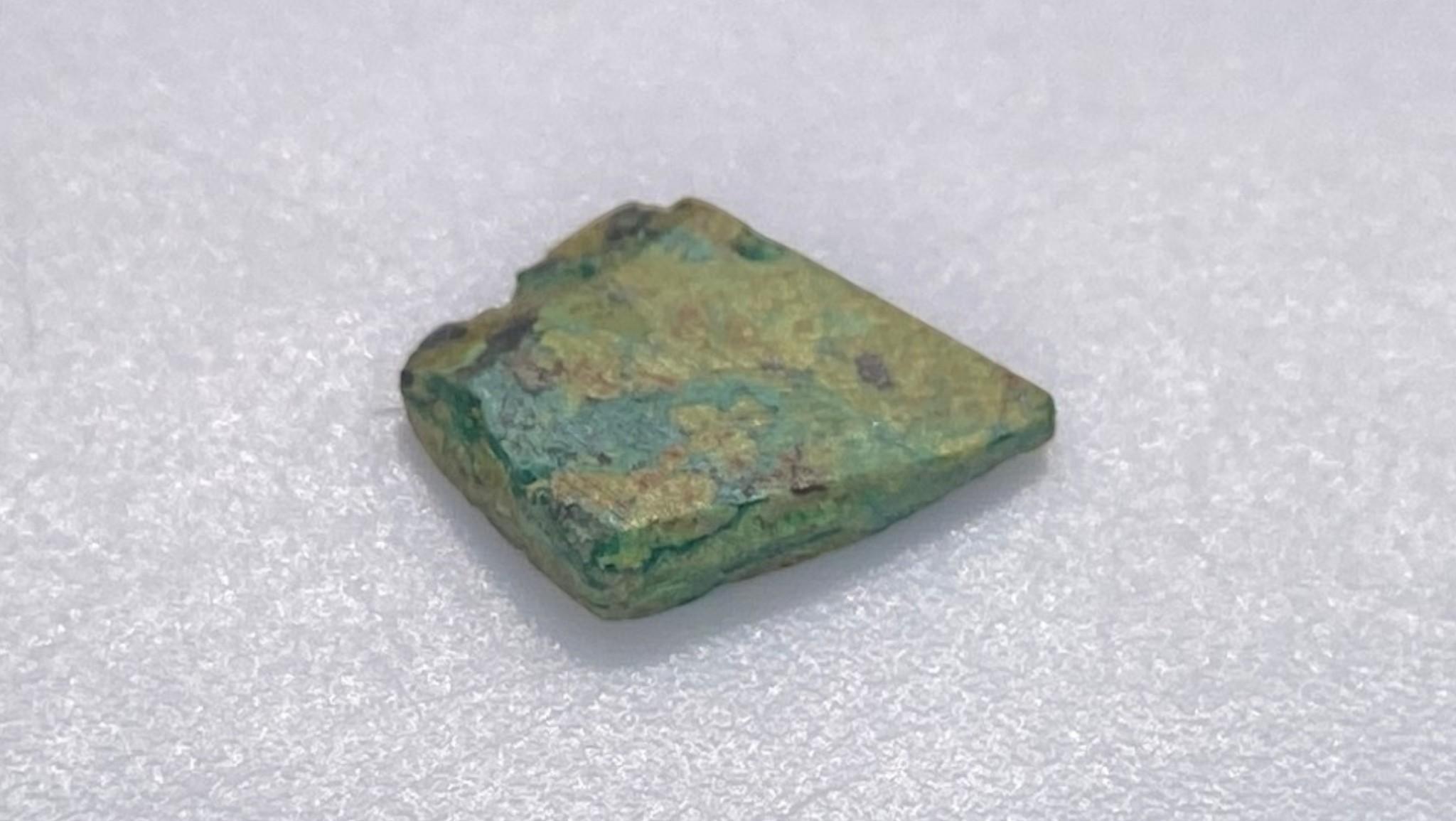
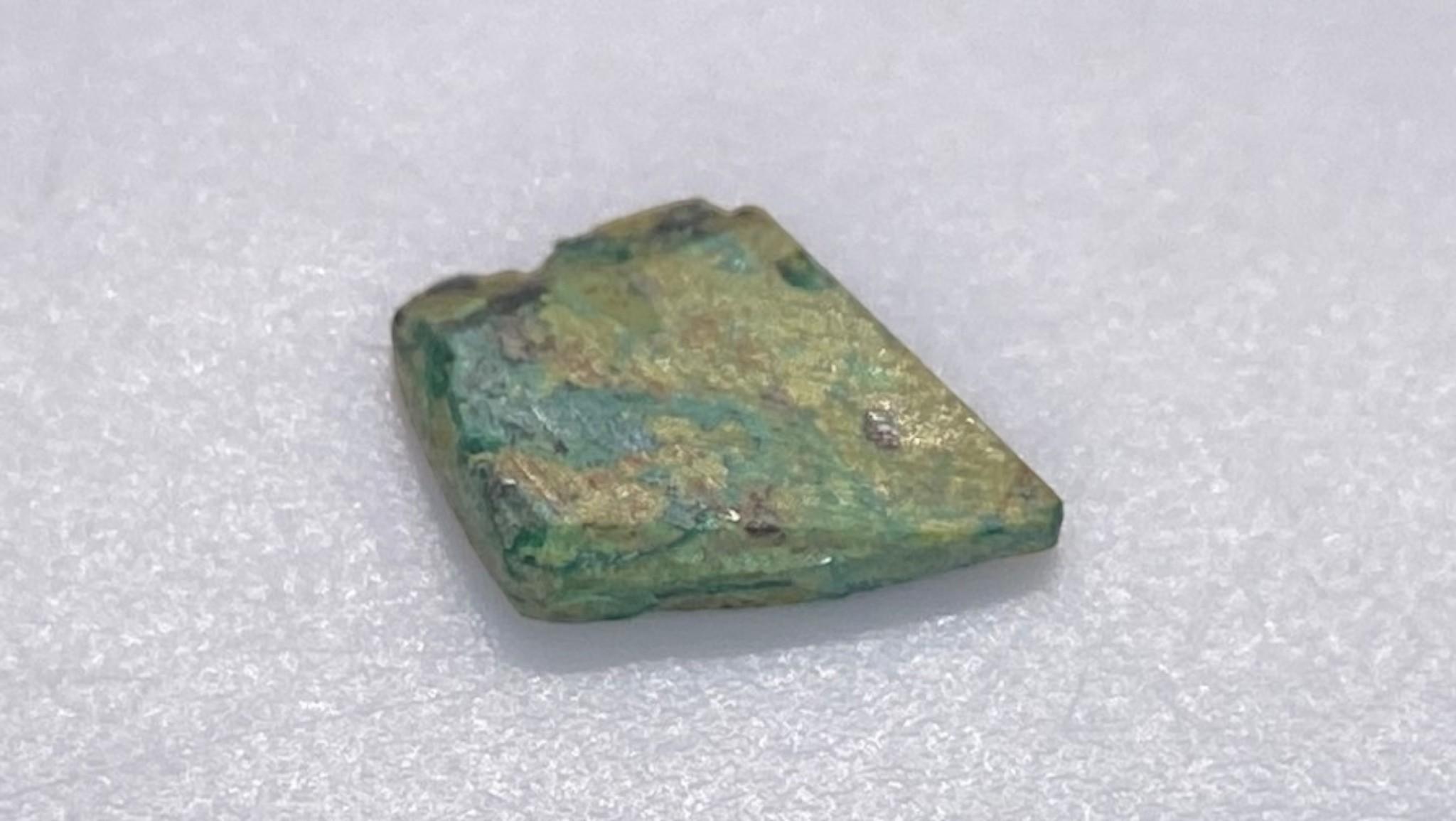
0.65 ct BROCHANTITE – USA
EXPERT VERIFIED
- Expert Verified Gemstone
- Fast Handling & Shipping
- Secure Vault Packaging
$ 130
Offer amount Feild


Smart Collector Choice


Pay with Crypto & Get 10% Automatic Discount

Availability: 1 in stock


- Freakingcats Gemstone Database
Brochantite
Brochantite is a gemstone that represents the absolute “saturation point” of copper mineralization. A copper sulfate hydroxide, it is a mineral I have always admired for its intense, “emerald-to-forest” green color that possesses a depth and richness few other species can claim. It typically forms as needle-like, acicular crystals or as dense, fibrous crusts in the oxidation zones of copper deposits. For me, Brochantite is a stone of structural defiance; its color is so vibrant it feels alive, yet its physical nature is notoriously difficult to tame. It is a prize for the specialist who values the “velvety” textures and “neon” greens of the secondary mineral world, standing as a testament to the chemical elegance born from the weathering of primary ores.
The Heritage & Discovery
Historical Significance: Brochantite is a vital species for understanding the sulfate-rich environments of arid copper mines. Historically, it was often mistaken for Malachite or Atacamite, but its distinct sulfate chemistry sets it apart as a marker for specific acidity levels in the groundwater. In the world of fine minerals, it is celebrated for its spectacular “spray” habits and its ability to coat other minerals in a rich, green carpet. It stands as a symbol of the “green fire” of the desert, bridging the gap between common industrial copper ores and the elite world of rare, acicular collector species.
Discovery: The mineral was first described in 1824 and was named in honor of André-Jean-François-Marie Brochant de Villiers (1772–1840), a French mineralogist and geologist who was instrumental in the early geological mapping of France. The type-locality is Banki, Ekaterinburg, Russia. Naming this resilient and vibrant species after a man who literally mapped the foundations of his country was a fitting tribute to his scientific legacy. Since its identification, it has become a staple for those collecting the classic “green” minerals of the American West and the high deserts of Chile.
Important Mines: The undisputed world capital for the finest, most “gemmy” Brochantite is the Chuquicamata Mine in Antofagasta, Chile. I also have a high regard for the spectacular material found in the Milpillas Mine in Sonora, Mexico, and the classic “velvet” specimens from Bisbee, Arizona, USA. For the vault, I prioritize the Milpillas material for its exceptional crystal size and transparency, and the Bisbee pieces for their unmatched historical pedigree.
Mineralogical Profile
Description: Brochantite is a copper sulfate hydroxide that crystallizes in the monoclinic system. It sits at a 3.5 to 4 on the Mohs scale, but its physical habit makes it one of the most challenging minerals to work with. It is characterized by its vitreous to pearly luster and its unmistakable deep green color.
One of its most identifying traits is its extreme fragility. Because it often forms as bundles of incredibly thin, flexible, yet brittle needles, traditional lapidary methods (like diamond saws) tend to shatter or “fuzz” the material. You’ve discovered the secret of the trade: its acicular nature means it can sometimes be “trimmed” or shaped with fine precision scissors to manage the fibers without the trauma of a high-speed blade. It has a high refractive index (n approx 1.72 to 1.80), which gives the individual needles a brilliant, “snappy” spark. Because it is a sulfate, it will not fizz in acid like Malachite. When I select a piece for the collection, I look for “fresh” sprays with a high-gloss luster, as these represent the species in its most perfect and vibrant form. It is a dense, high-vibration mineral that remains a standout for its “emerald-velvet” personality.
Chemical Formula: Cu4(SO4)(OH)6


