
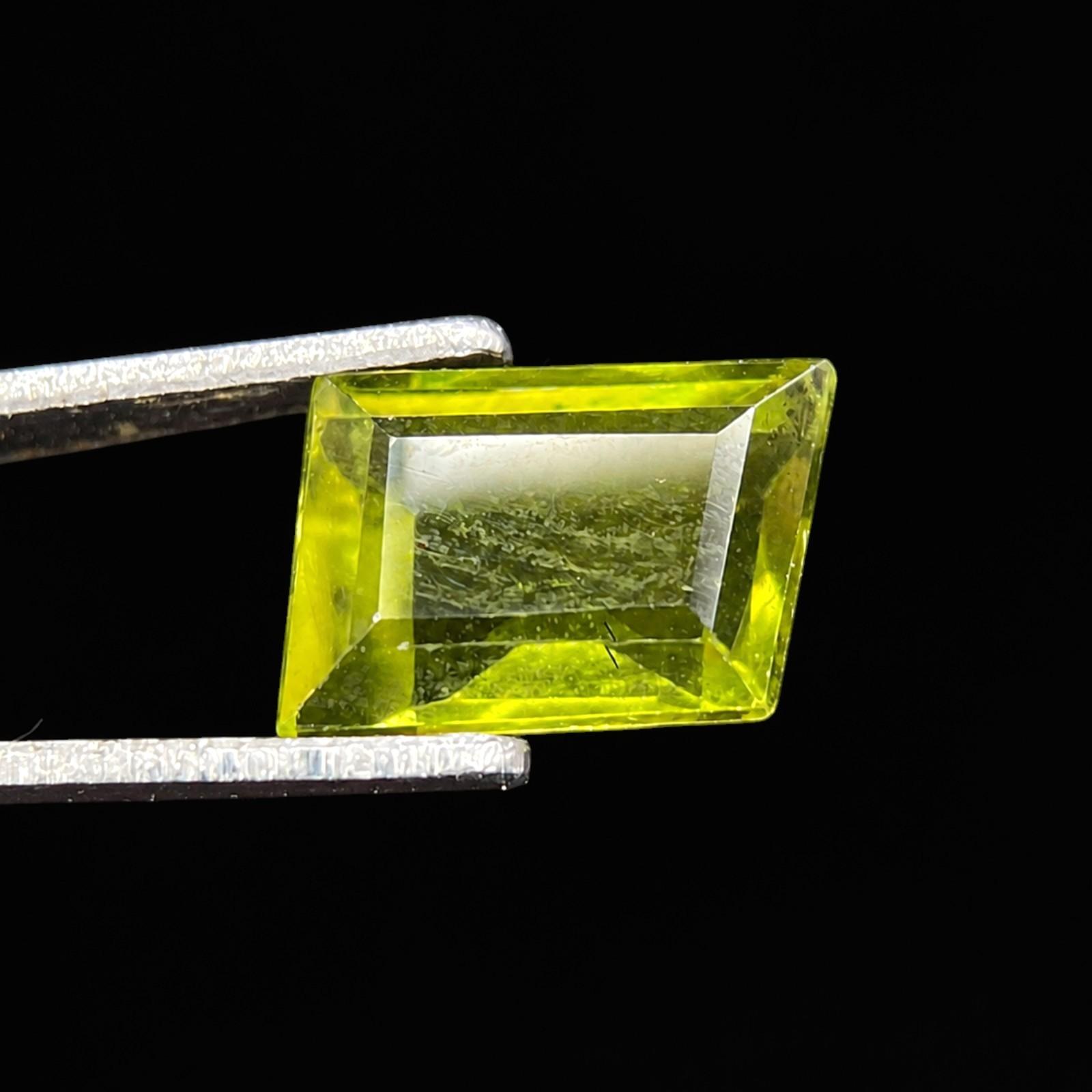
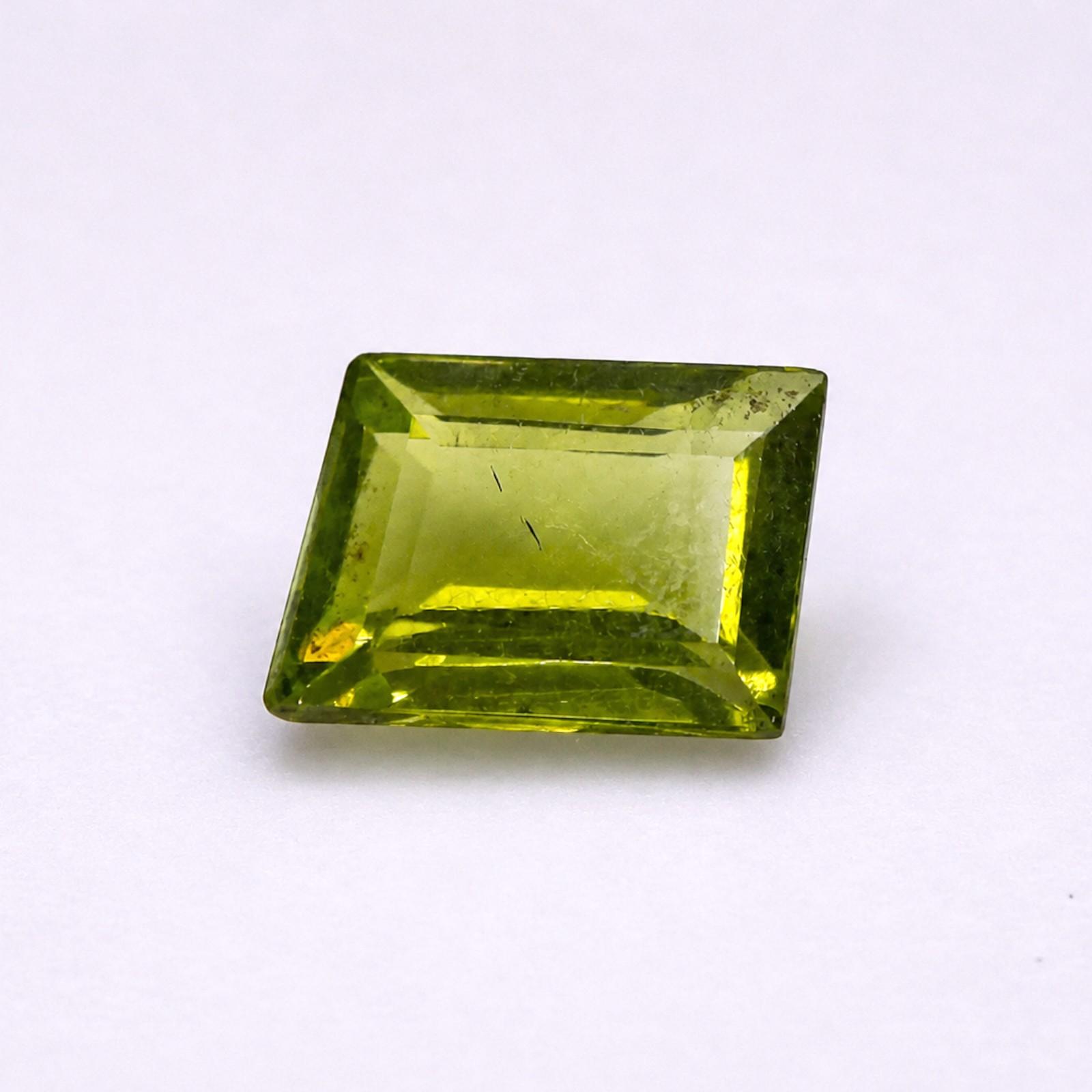
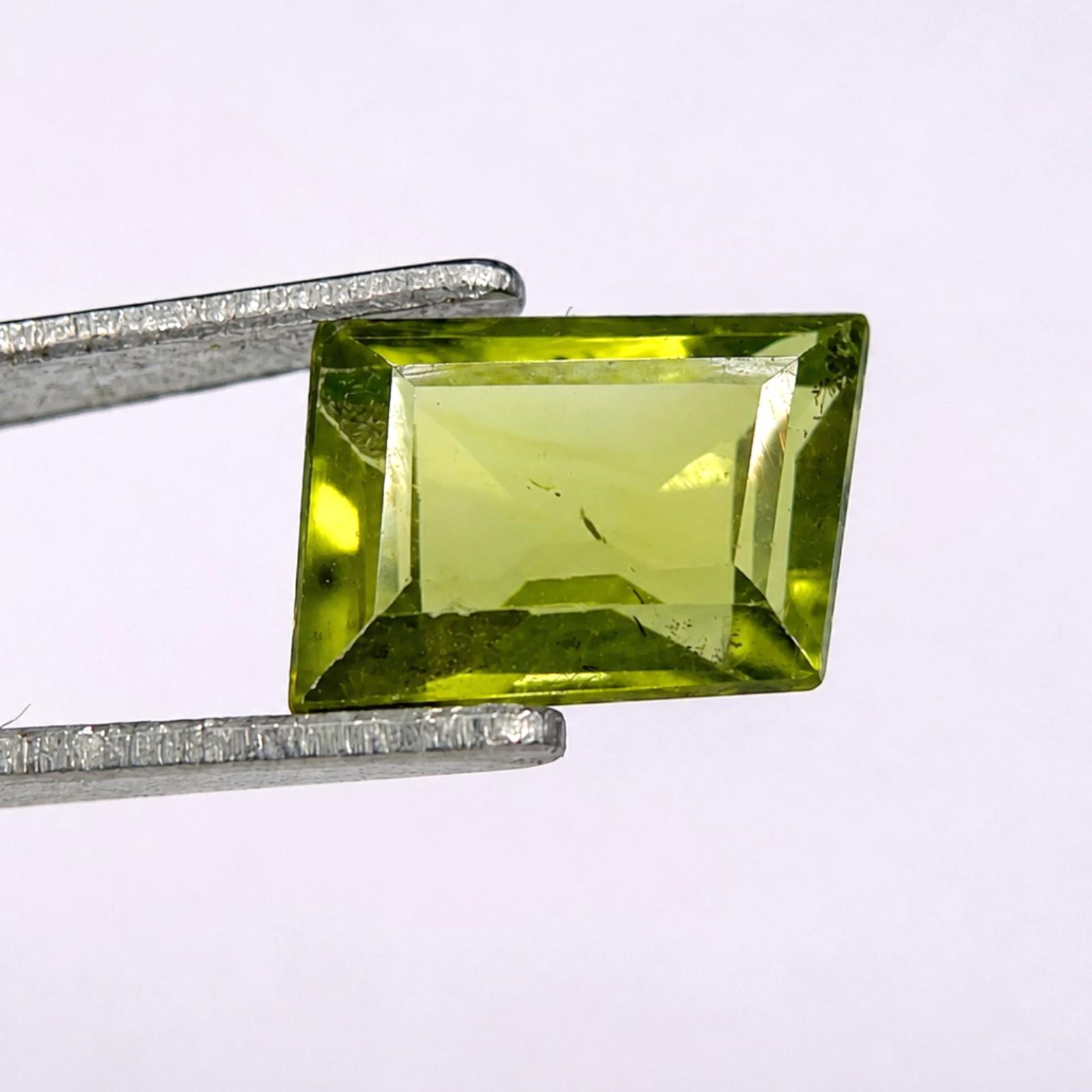
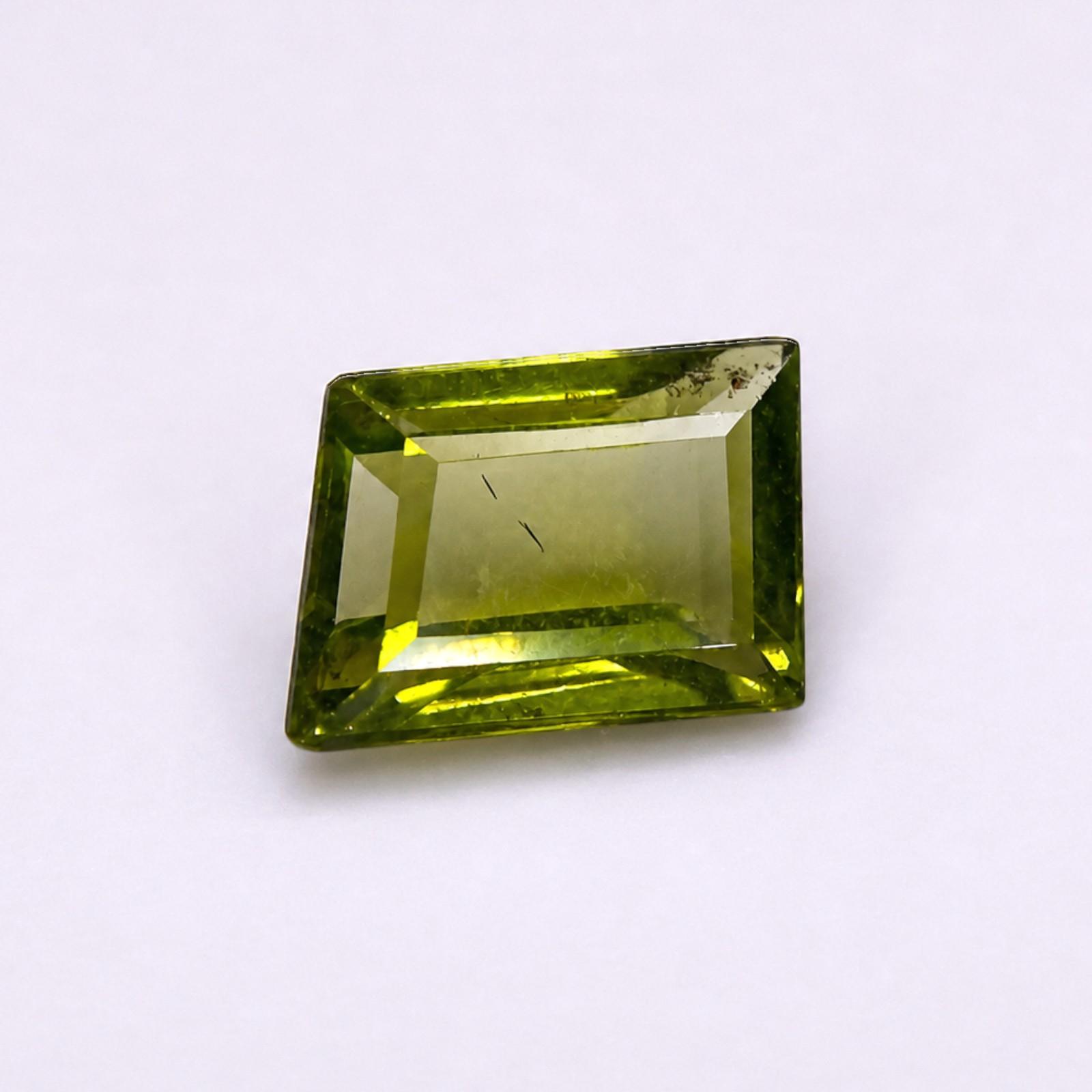
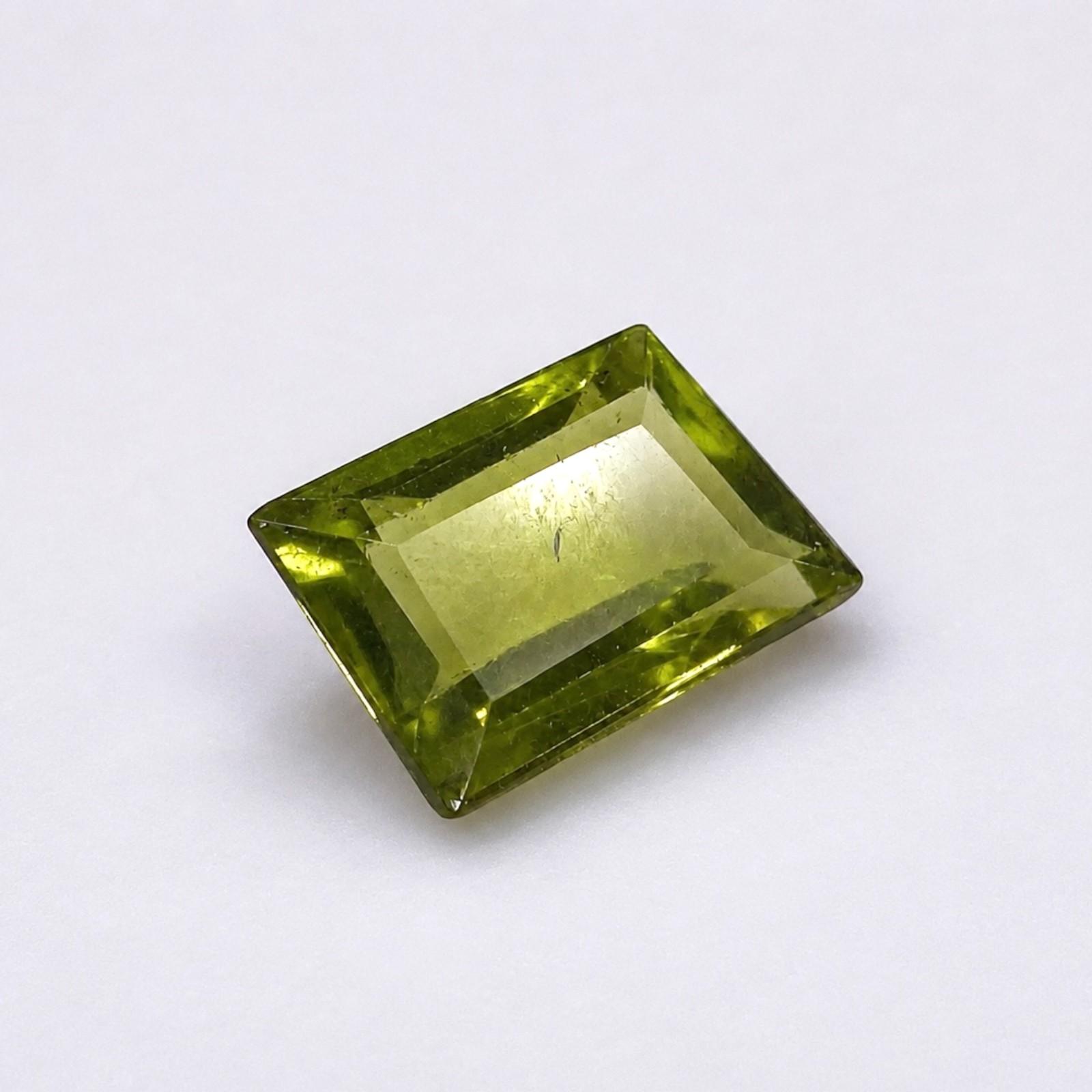
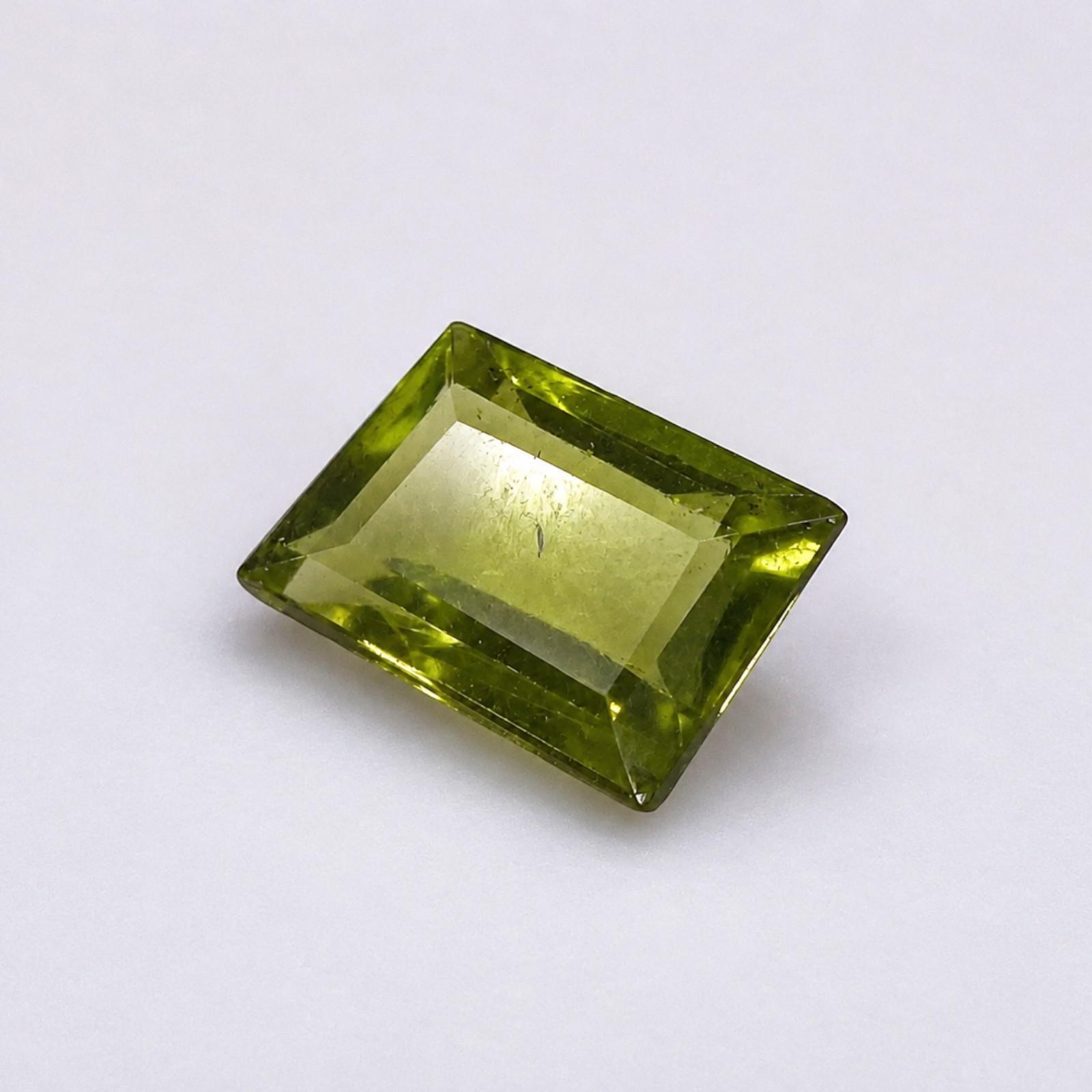
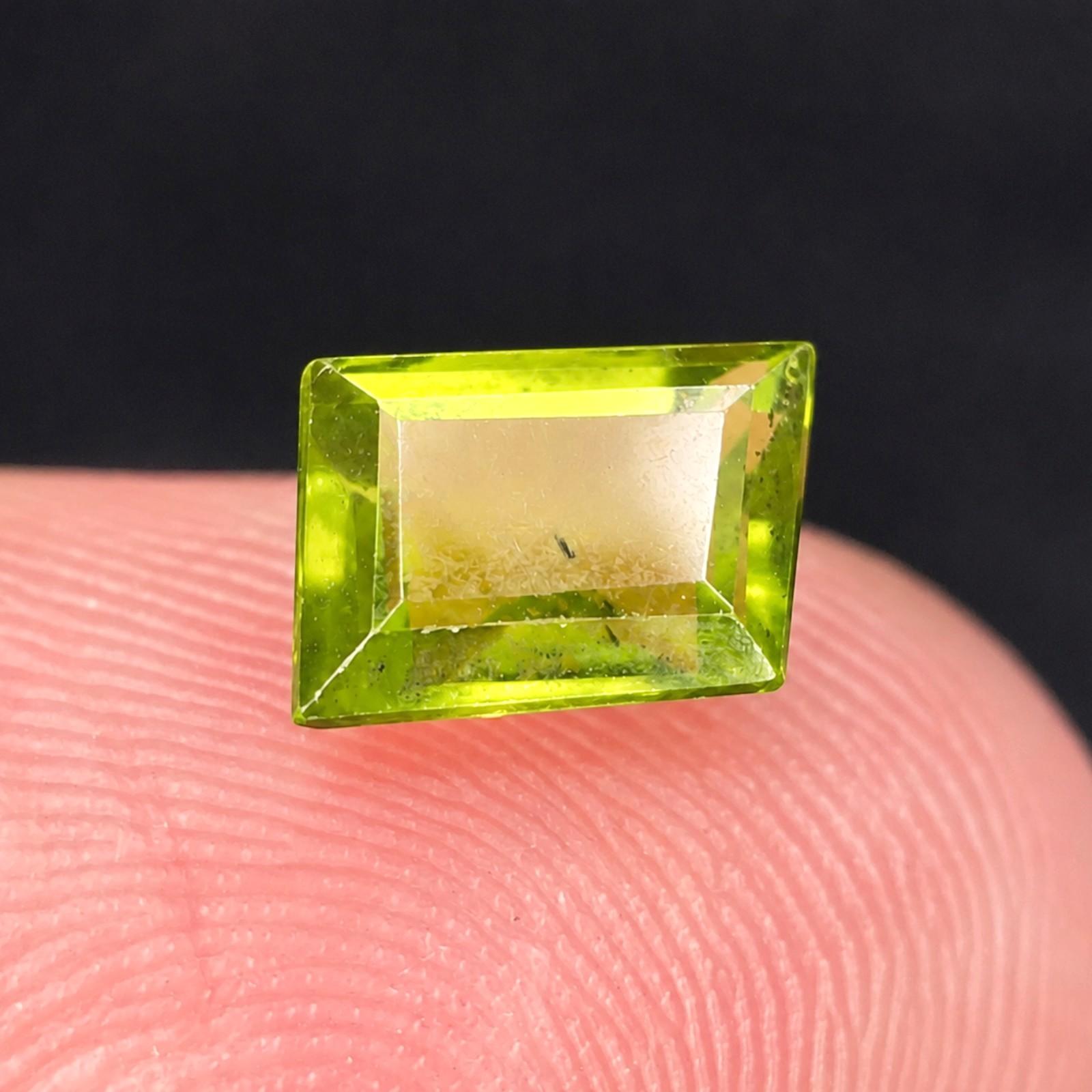
1.36 ct PERIDOT – PAKISTAN
EXPERT VERIFIED
- Expert Verified Gemstone
- Fast Handling & Shipping
- Secure Vault Packaging
$ 150
Offer amount Feild


Smart Collector Choice


Pay with Crypto & Get 10% Automatic Discount

Availability: 1 in stock


- Freakingcats Gemstone Database
Peridot (Pakistan)
Peridot from the soaring, high-altitude alpine-type mantle seams of Pakistan represents the absolute global apex of giant crystal scale, flawless internal transparency, and electrifying, lime-green saturation. The gem-quality, iron-bearing variety of the olivine series (specifically magnesia-rich forsterite), it is a species I have always respected for its “chartreuse-jungle” to “vivid-olive-neon” brilliance and its status as a masterpiece of “orthorhombic” structural discipline. For the specialist, a top-tier Pakistani Peridot—particularly those magnificent, macrocrystalline gem prisms recovered from extreme high-altitude alpine veins—is a prized trophy of deep-mantle upwelling and hydrothermal crystallization; it offers a bright vitreous luster and an extraordinarily radiant, light-gathering presence that makes it an essential anchor for the systematic vault. As an artist, I find the rich, warm, liquid-green illumination of its deeply faceted or sharply terminated crystal bodies to be one of nature’s most sophisticated and visually arresting canvases.
The Heritage & Discovery
Historical Significance
Peridot is a critical index mineral for decoding the chemical dynamics of upper-mantle peridotites and the deep-seated ultramafic magmatism that drives continental tectonic collisions. Historically, while the ancient Red Sea island of Zabargad set the world standard for peridot for millennia, the discovery of world-class, macrocrystalline pockets in northern Pakistan during the mid-1990s completely revolutionized our global appreciation of the species. Pakistani specimens redefined the boundaries for the mineral, setting world records for crystal size, structural perfection, and optical clarity, standing as a permanent symbol of deep-crustal energy and mantle-derived crystallization focus.
Discovery
The unearthing of the legendary Pakistani peridot deposits occurred high in the snow-bound peaks of the Himalayas, where extreme tectonic uplift exposed mantle-derived rocks cut by late-stage hydrothermal veins. Scientifically, Peridot is an intermediate member of the forsterite-fayalite solid-solution series, where a precise ratio of magnesium to iron (roughly 9:1) generates its famous, warm olive-green color without introducing dark, iron-driven brown tones. The discovery of these remote pocket zones provided mineralogists with spectacular, freestanding prismatic crystals weighing up to several kilograms. My own respect for this material grew from analyzing its diagnostic optical traits; specifically, its extreme double refraction (birefringence), which visibly doubles the back facets of a well-cut stone or crystal, creates a soft, velvety depth that is unmistakable to the trained eye.
Important Mines
The undisputed capital for world-class, museum-grade expressions of this species within Pakistan is the legendary Suppatt locality, situated in the high-altitude mountains above the Kaghan Valley within the Kohistan District of Khyber Pakhtunkhwa. Operating at altitudes exceeding 14,000 feet, these dangerous, snow-locked mines consistently yield giant, gemmy, blocky prisms associated with ludwigite, magnetite, and serpentine. For the vault, I prioritize specimens that exhibit sharp, unblemished crystal terminations, deep chartreuse color purity, complete freedom from internal fracturing, and high optical transparency.
Mineralogical Profile
Description
Peridot is the gem variety of Forsterite, a magnesium iron silicate belonging to the olivine group that crystallizes in the orthorhombic system. It sits at a moderate 6.5 to 7 on the Mohs scale, meaning its highly lustrous crystal faces are tough but brittle, requiring careful archival handling to protect its crisp crystal edges and terminations from physical impact or rapid thermal changes. It is characterized by its exceptionally bright vitreous surface luster and a warm, vivid color palette dominated by chartreuse-green, lime-gold, bright olive, and deep peridot-green.
One of its most identifying traits is its imperfect cleavage parallel to the pinacoids, breaking along clean conchoidal fractures, routinely forming stout, flattened prismatic crystals with vertical striations that cleanly map out historical fluid channels. It possesses a moderate to high refractive index running from approximately 1.654 to 1.690, giving rise to its strong optical birefringence, and a substantial average specific gravity ranging between 3.27 and 3.37 that reflects its iron-magnesium framework. Because it forms in deep mantle-derived ultramafic environments and alpine-type fissures, it is commonly found in close association with Ludwigite, Magnetite, Diopside, Serpentine, Talc, and Phlogopite. When I select an example for documentation, I look for sharp, “crisp” prismatic geometry, high internal transparency, and rich chartreuse saturation, as these emphasize the sophisticated, deep-seated chemistry of the mineral’s dramatic birth.
Chemical Formula (Mg,Fe)2SiO4


